Hemingray 16 Glass Insulator Value Guide
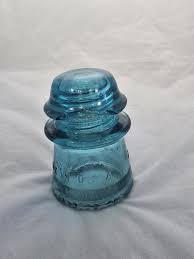
- Period
- 1910-1940
- Origin
- United States
- Materials
- glass
- Category
- Hemingray insulator
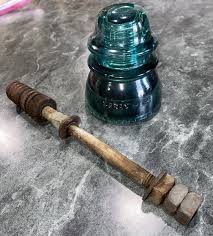
The Hemingray 16 is a quintessential piece of American communication history, serving as a staple for telegraph and telephone lines during the early 20th century. Produced by the world's largest insulator manufacturer, these aqua glass pieces are highly collectible for their iconic double-petticoat design and historical utility.
What Is Hemingray 16 Glass Insulator Worth?
The typical price range for Hemingray 16 Glass Insulator is $10 - $15 based on recent sales. However, values can vary depending on the item's condition, rarity, and other factors such as:
- Condition of the drip points, as chipped or missing points significantly reduce the market value.
- Clarity and color consistency of the aqua glass, with fewer bubbles or inclusions typically being more desirable.
- The presence of any manufacturing flaws or 'straw marks' which can sometimes add character for specific collectors.
- Overall glass integrity, specifically looking for the absence of cracks or large 'flea bite' chips along the base and threading.
How to Identify Hemingray 16 Glass Insulator?
- Look for the 'HEMINGRAY-16' embossed text clearly visible on the skirt of the glass.
- Verify the presence of the double-petticoat design, which features an inner and outer layer of glass at the base.
- Check for the distinctive sharp or rounded drip points located along the bottom edge of the insulator.
- Confirm the authentic aqua color, which is the most common and characteristic hue for this specific model.
History of Hemingray 16 Glass Insulator
The Hemingray Glass Company, founded in 1848, became the world's largest manufacturer of glass insulators. The No. 16 model was a staple for telegraph and telephone lines during the rapid expansion of American communication infrastructure. These were designed to prevent electricity leakage by insulating wires from the wooden poles they were mounted on.
Shop Similar
Antique Glass Insulator Hemingray-16 Blue Color Wi…
ebay.com · $7
Hemingray 42 Insulators ~ Green ~ Clear. For Sale …
rubylane.com · $22
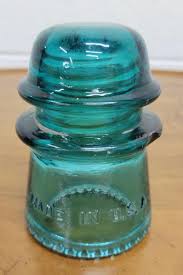
Vintage Hemingray 16 Aqua or Teal Glass Insulator …
chairish.com · $22
Vintage Hemingray 42 Aqua Glass Insulator. For Sal…
rubylane.com · $24
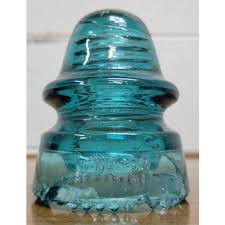
Vintage Hemingray 19 Teal or Aqua Glass Insulator …
chairish.com · $24
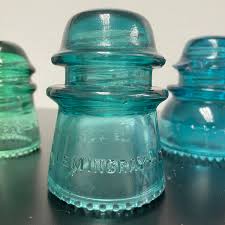
Three Beautiful Hemingray Telegraph Insulators Gre…
etsy.com · $26
Related Items
Have an antique to identify?
Get an instant AI appraisal with values, history, and market insights.
Download for iPhone