Historical Art Value & Price Guide
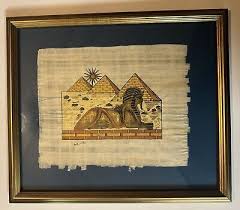
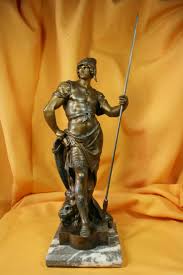
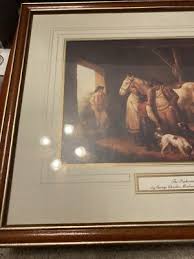
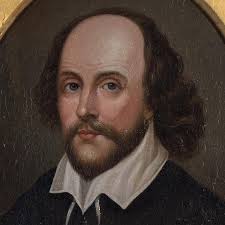
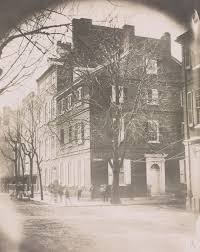
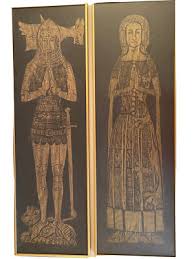
Historical art collectibles offer a tangible connection to the past, ranging from original 18th-century oil portraits to mid-century reproductions of iconic etchings. These pieces serve as visual chronicles of human history, capturing the figures, architecture, and cultural shifts of bygone eras.
Price Range: $100 - $150 based on recent sales
History of Historical Art
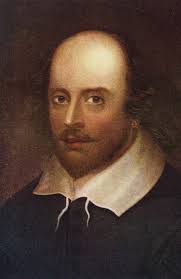
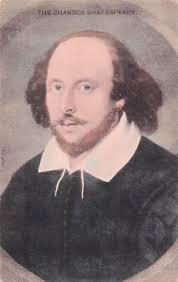
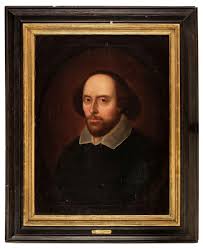
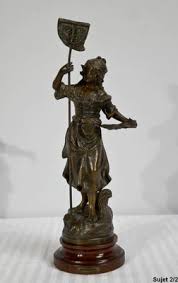
The tradition of collecting historical art dates back to the Renaissance, when patrons sought to preserve the likenesses of great leaders and pivotal moments in time. Over centuries, this practice evolved from exclusive royal commissions to a broader market where 19th-century bronze sculptures and 18th-century portraits became accessible to private collectors. In the modern era, the market has expanded to include diverse media, from traditional oil paintings of the Enlightenment to mid-century etchings that democratized access to classical masterpieces. This evolution reflects a persistent human desire to document heritage through aesthetic expression, ensuring that the visual legacy of figures like William Shakespeare or Abigail Adams remains preserved for future generations.
Value Factors for Historical Art
The typical price range for Historical Art is $100 - $150 based on recent sales. However, values can vary depending on the item's condition, rarity, and other factors such as:
- The rarity and age of the piece, with works from the 1700s generally commanding higher prices than 20th-century commemorative prints.
- The historical significance of the subject matter, such as portraits of influential political or literary figures.
- The physical condition and preservation of the medium, particularly for delicate items like paper sketches or ancient-style papyrus paintings.
Tips for Buying Historical Art
- Distinguish between period originals and later reproductions, as mid-20th century prints of older works have significantly different valuations than pieces created during the artist's lifetime.
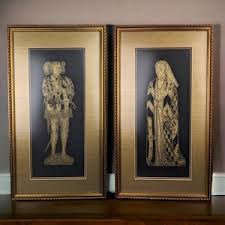
- Examine the medium and substrate, such as hand-painted papyrus or brass rubbings, to ensure the materials are consistent with the claimed era of production.
- Verify the provenance and condition of high-value items like equestrian portraits or early 19th-century political figures to ensure authenticity and long-term investment stability.
Items in This Collection
- Egyptian Papyrus Painting
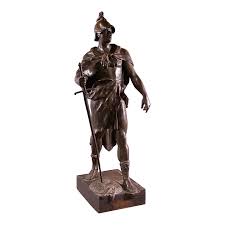
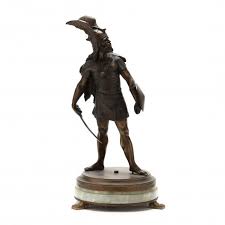
- Roman Warrior Sculpture
- The Prayer at Valley Forge Print
- Chandos Portrait of William Shakespeare
- Historical Building Sketch
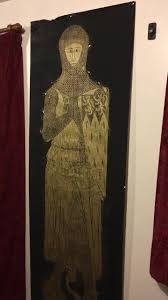
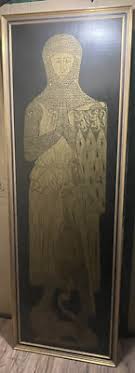
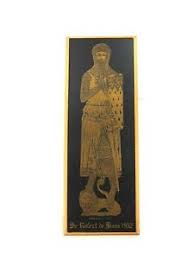
- Sir Robert de Bures Brass Rubbing
- Pilgrimage to Cythera
- The Banjo Lesson by Henry Ossawa Tanner
- Portrait of Abigail Adams
- Equestrian Portrait of Louis XIV
- Rembrandt The Windmill Etching
Related Categories


Have an antique to identify?
Get an instant AI appraisal with values, history, and market insights.
Download for iPhone