Historical Weapon Value & Price Guide

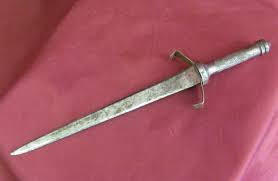
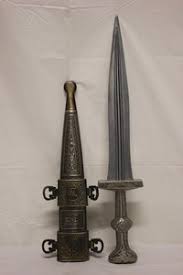
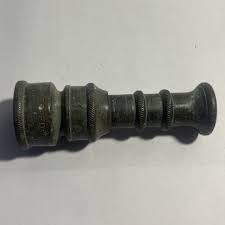
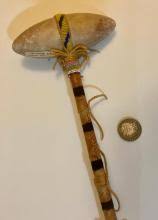
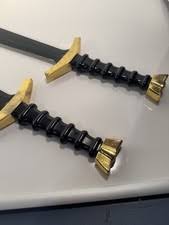
The world of historical weapon collecting spans millennia, offering enthusiasts a tangible connection to ancient warfare, craftsmanship, and cultural heritage. From the bronze blades of the Roman Empire to the ornate steel of the Ottoman era, these artifacts represent the evolution of human technology and martial tradition.
Price Range: $750 - $825 based on recent sales
History of Historical Weapon
The history of weapon collecting is as old as warfare itself, with victors often claiming the arms of the defeated as trophies of valor. During the Renaissance, European nobility began assembling 'cabinets of curiosities' that featured exotic blades and early firearms, transitioning weapons from tools of survival into symbols of status and artistry. This tradition evolved through the 19th century as archaeological interest in Roman and Viking cultures surged, leading to the systematic categorization of edged weapons and projectile tools. Today, the field encompasses a diverse range of artifacts, including the transition from medieval maces to the early gunpowder technology seen in 14th-century hand cannons. Collectors now focus on the intersection of utility and decoration, preserving items like the Native American pipe tomahawk which served both ceremonial and practical functions.
Value Factors for Historical Weapon
The typical price range for Historical Weapon is $750 - $825 based on recent sales. However, values can vary depending on the item's condition, rarity, and other factors such as:
- Historical significance and association with specific military conflicts or notable figures.
- The physical condition of the blade or striking surface, specifically the presence of original patina versus damaging over-cleaning.
- Rarity of the specific model, such as the unique blade geometry of a Colichemarde or the intricate carvings on a 19th-century war club.
- The presence of maker's marks or armory stamps that can pinpoint the exact origin and era of production.
Tips for Buying Historical Weapon
- Verify the provenance and metallurgical composition to distinguish between authentic period pieces and high-quality 20th-century replicas.
- Examine the tang and hilt construction for signs of period-appropriate assembly techniques rather than modern welding.
- Prioritize items with original scabbards or sheaths, as these significantly increase the collectible's market desirability and historical context.
- Consult specialized auction records for specific regional styles, such as the distinct curvature of a Kilij or the unique balance of a Viking Seax.
Items in This Collection
- Mace
- Parrying Dagger
- Roman Gladius Sword
- Heilongjiang Hand Cannon
- Native American War Club
- Viking Sword Replica
- Viking Seax Knife
- Colichemarde Dagger
- Ottoman Kilij Sword
- US Model 1832 Foot Artillery Sword
- Bebut Kindjal
- Roman Pugio Dagger Replica
- Roman Gladius Sword Replica
- Mandinka Saber
- Viking Axe
- Native American Tomahawk
- Pesh-kabz Dagger
Have an antique to identify?
Get an instant AI appraisal with values, history, and market insights.
Download for iPhone