Horse-Drawn Hearse Value Guide
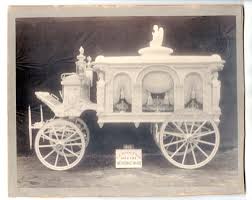
- Period
- 1880-1910
- Origin
- United States
- Materials
- Wood, glass, brass, fabric
- Category
- Hearse
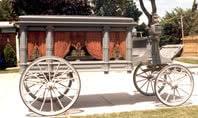
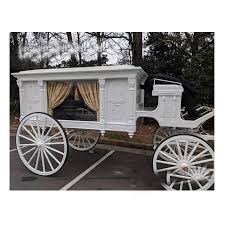
This late 19th-century horse-drawn hearse represents the pinnacle of Victorian mourning culture, serving as a prestigious vessel for affluent families' final journeys. Crafted between 1880 and 1910, these carriages transitioned from simple wagons into mobile monuments featuring intricate wood carvings and heavy drapery.
What Is Horse-Drawn Hearse Worth?
The typical price range for Horse-Drawn Hearse is $15,000 - $18,000 based on recent sales. However, values can vary depending on the item's condition, rarity, and other factors such as:
- The complexity and preservation of the exterior wood carvings significantly drive the $15,000-$18,000 valuation.
- Originality of the fabric elements, such as internal curtains and upholstery, adds substantial collector interest.
- Overall structural integrity of the wheels and chassis, ensuring the vehicle remains display-ready or functional.
- Provenance and manufacturer marks that link the piece to specific high-end carriage makers of the United States.
How to Identify Horse-Drawn Hearse?
- Examine the exterior for hand-carved wooden scrollwork and ornate drapery motifs typical of the 1880-1910 era.
- Verify the presence of original thick glass side panels designed to display the coffin to mourners during the procession.
- Check for period-correct hardware including brass lanterns, structural fittings, and decorative plumes on the roofline.
- Look for internal rollers and velvet-lined interiors used to secure and protect the casket during transport.
History of Horse-Drawn Hearse
Horse-drawn hearses were the primary mode of transporting the deceased from the late 17th century until the early 20th century when motorized vehicles became more common. These hearses evolved from simple, open wagons to elaborately decorated coaches, reflecting societal attitudes towards death and mourning. The most ornate hearses, like this example, were often used for affluent families and featured detailed carvings, drapery, and sometimes even glass sides to display the coffin. They were an important symbol of respect and final farewells, pulled by specially trained horses, often adorned with plumes and decorative harnesses.
Shop Similar
LARGE FORMAT PHOTOGRAPH – ADVERTISING – S.C. PEASE…
ebay.com
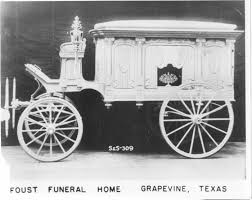
Foust Funeral Home Hurse Wagon - The Portal to Tex…
texashistory.unt.edu
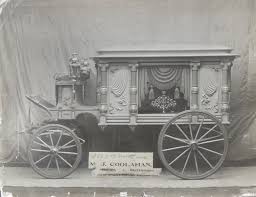
Late Victorian - turn of century MJ Coolahan eight…
facebook.com
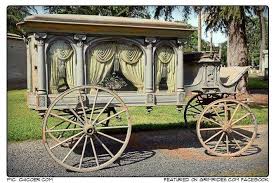
Grim Rides - In 1990 Chico #Cemetery found this 18…
m.facebook.com
About Us | Hoplin-Hitchcock Funeral Home | Glenwoo…
hoplinfuneralhome.com
White Horse Drawn Funeral Hearse Carriage - Antiqu…
alibaba.com
Related Items
Have an antique to identify?
Get an instant AI appraisal with values, history, and market insights.
Download for iPhone