Human Shoulder Yoke Value Guide
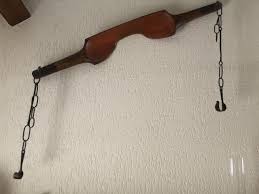
- Period
- 1880-1920
- Origin
- United States or Western Europe
- Materials
- Wood, Iron
- Category
- Yoke
This 1880-1920 human shoulder yoke is a quintessential piece of agrarian history, designed to distribute the weight of heavy buckets across the neck and shoulders. Its hand-carved wooden frame and original iron hardware make it a highly sought-after item for collectors of primitive Americana and rustic European farm tools.
What Is Human Shoulder Yoke Worth?
The typical price range for Human Shoulder Yoke is $100 - $120 based on recent sales. However, values can vary depending on the item's condition, rarity, and other factors such as:
- The presence and condition of the original iron chains and hooks significantly impact the $100-$120 price range.
- The quality of the wood carving, specifically the smoothness of the neck notch, affects its appeal as a display piece.
- Historical provenance or markings indicating a specific US or Western European origin can increase collector interest.
- Structural integrity of the timber, including the absence of modern repairs or excessive woodworm damage.
How to Identify Human Shoulder Yoke?
- Look for a deep, ergonomic central curve specifically carved to fit the human neck and trapezius muscles.
- Examine the ends for hand-forged iron chains and hooks used to secure heavy loads like milk pails or water buckets.
- Check for authentic wear patterns and patina on the wood consistent with late 19th to early 20th-century manual labor.
- Verify the presence of original metal reinforcement bands that were often added to prevent the wood from splitting under tension.
History of Human Shoulder Yoke
The shoulder yoke is an ancient carrying device, utilized across the globe for millennia to transport essentials like water, milk, or goods to market. This design features a curved section to comfortably fit the neck and shoulders, allowing for efficient load distribution and making the task of carrying two heavy buckets less strenuous. This style became less common in the mid-20th century as modern infrastructure and plumbing reduced the necessity for manual hauling.
Shop Similar
Antiek juk
zeelandnet.nl · €45
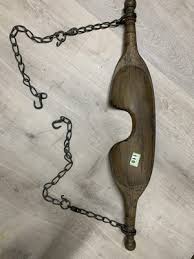
Antique Wooden Milk Maid Churn Yoke Holder Carrier…
ebay.co.uk · £68
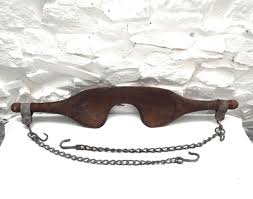
Antique Yoke - Etsy UK
etsy.com
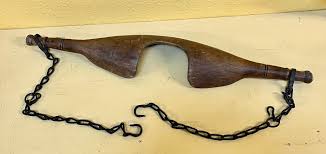
Sold at Auction: Antique Victorian milk maid's sho…
invaluable.com
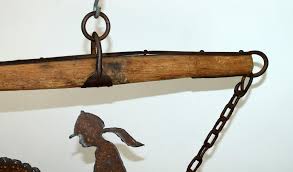
Sold at Auction: Horse and rider iron cut out trad…
invaluable.com
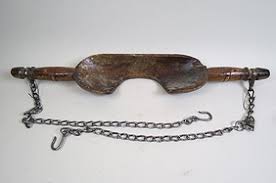
Wooden Human Shoulder Yoke For Carrying Buckets.
liveauctioneers.com
Related Items

Have an antique to identify?
Get an instant AI appraisal with values, history, and market insights.
Download for iPhone