Hummel Goebel Figurine Value Guide
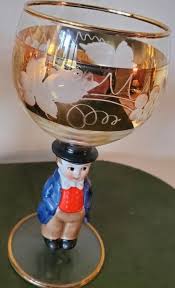
- Period
- 1935-1990
- Origin
- Germany
- Materials
- Porcelain, Ceramic
- Category
- Hummel figurine
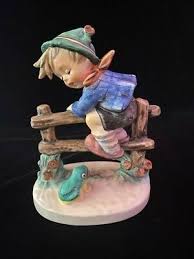
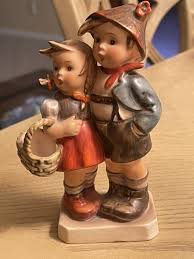
This Hummel Goebel figurine, featuring a young boy with a pig, is a quintessential example of the porcelain line inspired by Sister Maria Innocentia Hummel's artwork. Produced in Germany since 1935, these pieces are highly collectible for their nostalgic portrayal of childhood innocence and their historical connection to WWII-era gifts.
What Is Hummel Goebel Figurine Worth?
The typical price range for Hummel Goebel Figurine is $70 - $80 based on recent sales. However, values can vary depending on the item's condition, rarity, and other factors such as:
- The specific trademark era (TMK) significantly impacts the $70-$80 price range, with older marks often commanding higher interest.
- The physical condition of the porcelain, specifically looking for 'crazing' in the glaze or chips on delicate edges.
- The presence of the original box and documentation can increase the desirability for serious Hummel collectors.
- Market demand for specific motifs, such as children with animals, which remains a popular theme in the secondary market.
How to Identify Hummel Goebel Figurine?
- Check the underside for the official Goebel trademark (TMK) stamp, which helps date the piece between 1935 and 1990.
- Look for the incised 'M.I. Hummel' signature typically found on the base or back of the figurine.
- Verify the hand-painted matte finish and muted earth-tone palette characteristic of authentic German ceramic production.
- Confirm the presence of a specific mold number incised on the bottom to identify the design's origin.
History of Hummel Goebel Figurine
Goebel figurines, commonly known as Hummels, originated from the drawings of Sister Maria Innocentia Hummel, a German nun. Her charming portrayals of children captured the hearts of many, leading Franz Goebel to produce these ceramic figurines starting in 1935. These collectibles gained immense popularity, especially among American soldiers stationed in Germany during World War II, who sent them home as gifts. Each figurine carries a unique charm, representing a slice of nostalgic childhood innocence.
Shop Similar
Vintage Hummel Goebel 6pc Figurine Wine Glasses We…
ebay.com · $77
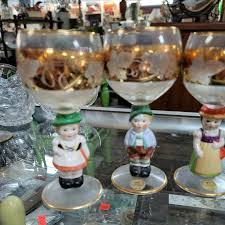
5 Antique Gilded German Roemer Etched Hock Wine Gl…
etsy.com
Ripon Estate Sale Thursday & Friday all... starts …
estatesales.net
Juego 10 Copas Cristal Vino Borde Dorado, Excelent…
mercadolibre.com.ar
ESTATE SALE BY THE PINK FLAMINGO in Jacksonville, …
estatesales.net
Unique Estate Sale in Eau Claire, MI starts on 11/…
estatesales.net
Related Items
Have an antique to identify?
Get an instant AI appraisal with values, history, and market insights.
Download for iPhone