Ibeji Dolls Value Guide
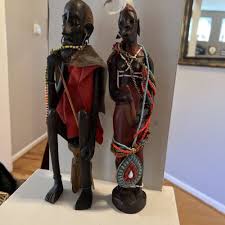
- Period
- 1900-1950
- Origin
- Nigeria
- Materials
- Wood, beads, fabric, pigments
- Category
- Ibeji doll
Ibeji dolls are sacred Yoruba carvings from Nigeria created to house the spirit of a deceased twin, serving as a physical surrogate for the child. These 1900-1950 era figures are highly collectible due to their profound spiritual significance and the distinct artistic variations found across different Yoruba subgroups.
What Is Ibeji Dolls Worth?
The typical price range for Ibeji Dolls is $100 - $500 based on recent sales. However, values can vary depending on the item's condition, rarity, and other factors such as:
- The presence of original ritual adornments, such as intricate beadwork vests (beaded tunics) or metal anklets, significantly increases value.
- The quality and detail of the carving, particularly the complexity of the coiffure and the clarity of tribal scarification marks.
- Provenance and age, with dolls dating closer to the early 20th century (1900-1920) generally commanding higher prices than mid-century examples.
- The overall state of preservation, specifically the absence of modern repairs or synthetic paints which can detract from the doll's authenticity.
How to Identify Ibeji Dolls?
- Look for signs of ritual wear, such as smoothed facial features from years of being bathed, oiled, and handled by the mother.
- Identify authentic materials including indigenous African hardwoods, glass trade beads, and traditional pigments like indigo or camwood powder.
- Examine the base and proportions; authentic Ibeji typically feature a circular or rectangular integral base and stylized adult features on a child-sized body.
- Check for specific regional carving styles, such as the elongated heads of the Oyo region or the heavy eyelids characteristic of the Igbomina style.
History of Ibeji Dolls
Among the Yoruba people of Nigeria, twins are considered sacred. If a twin dies, an Ibeji doll is carved to house the spirit of the deceased, acting as a surrogate for the child. The doll is cared for as if it were the living child, receiving offerings, being bathed, and carried by the mother. These dolls are a profound expression of grief and remembrance, and their artistic styles vary significantly across different Yoruba subgroups.
Shop Similar
Vintage Pair African Hand-Carved Wooden Male & Fem…
ebay.com · $140
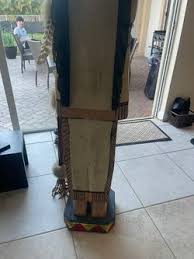
Cigar Store Hand Carved Wood 5 7' Indian Chief for…
offerup.com
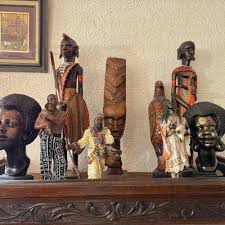
The Estate of Fredericksburg "Hoarders" Celebrity …
estatesales.org
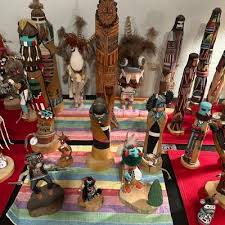
The Girls Estate Sales ~ Thornydale & Ina | Estate…
estatesales.org
Indian Statue Carved Wood Cigar Smoke Store Native…
sfbay.craigslist.org
Margrét - 165 cm á hæð Tilboð | Facebook
m.facebook.com
Related Items
Have an antique to identify?
Get an instant AI appraisal with values, history, and market insights.
Download for iPhone