Indian Wedding Chair Value Guide
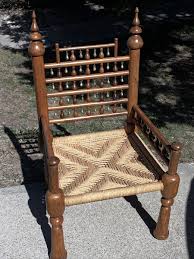
- Period
- 1900-1940
- Origin
- India
- Materials
- Teak wood, rush, brass
- Category
- Wedding chair
The Indian Wedding Chair, or Pidha, is a low-seated ceremonial piece originating from the Punjab region and crafted between 1900 and 1940. These chairs are highly collectible for their intricate hand-carved teak frames and symbolic brass bell embellishments that reflect traditional artisan skill.
What Is Indian Wedding Chair Worth?
The typical price range for Indian Wedding Chair is $450 - $550 based on recent sales. However, values can vary depending on the item's condition, rarity, and other factors such as:
- The presence and condition of original brass bells and decorative metal hardware significantly impact the $450-$550 price range.
- Structural integrity of the woven rush seat is critical, as re-weaving can be costly and may affect the piece's antique value.
- Intricacy and depth of the wood carvings, particularly those featuring traditional Punjabi motifs, drive higher collector interest.
- The preservation of the original wood patina and the absence of modern chemical varnishes or repairs.
How to Identify Indian Wedding Chair?
- Look for a low-profile frame constructed from solid teak wood with visible hand-carved geometric or floral patterns.
- Check for an authentic hand-woven rush seat, which should show natural age-related wear and a tight weave pattern.
- Identify decorative brass bells or metal studs attached to the frame, a signature element of traditional ceremonial Pidha chairs.
- Examine the joinery for hand-fitted construction consistent with early 20th-century Indian craftsmanship rather than modern mass production.
History of Indian Wedding Chair
These distinctively designed chairs, often referred to as 'Pidha' or 'Moorish' chairs, have a rich history rooted in Indian culture, particularly in Punjab. They were historically used in homes for seating guests of honor and played a significant role in wedding ceremonies. The intricate carvings and brass embellishments were a testament to the artisan's skill and the cultural value placed on such pieces. They gained popularity in the Western world through trade routes and colonial influences, becoming sought-after decorative items for their exotic charm.
Shop Similar
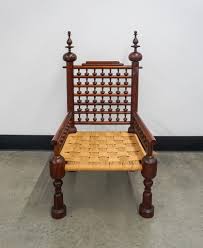
Lot - Middle Eastern Style Turned Wood Woven Seat …
weschlers.com · $125
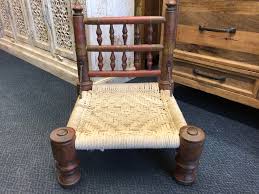
Gorgeous Colourful Vintage Pidha Chair - Etsy
etsy.com · $181
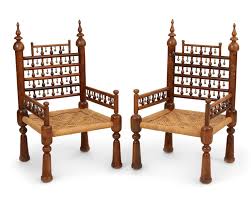
Lot - A pair of diminutive Indian brass wire inlai…
andrewjonesauctions.com · $450
Punjabi Wedding Chair With Brass Inlays & bells | …
ebay.com · $500
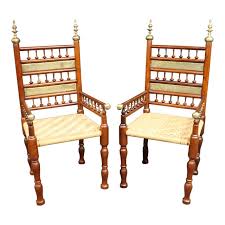
Mid Century Modern Stick & Ball Cherry & Brass Arm…
chairish.com · $1995
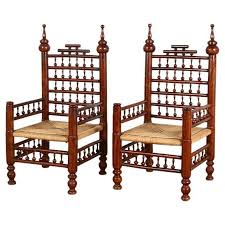
Pair of 19th Cen. French Spool-Turned Armchairs Fo…
1stdibs.com · $6950
Have an antique to identify?
Get an instant AI appraisal with values, history, and market insights.
Download for iPhone