Japanese Glass Fishing Floats Value Guide
- Period
- 1910-1960
- Origin
- Japan
- Materials
- Hand-blown glass, natural fiber rope
- Category
- Japanese glass
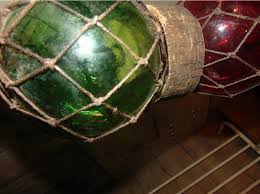
These antique Japanese glass fishing floats, dating from 1910 to 1960, represent a bygone era of traditional Northern Pacific maritime history. Originally crafted from recycled glass to keep nets buoyant, these hand-blown spheres are now prized nautical collectibles often found in their original natural fiber netting.
What Is Japanese Glass Fishing Floats Worth?
The typical price range for Japanese Glass Fishing Floats is $150 - $250 based on recent sales. However, values can vary depending on the item's condition, rarity, and other factors such as:
- The presence and condition of the original hand-tied natural fiber rope netting significantly impacts market price.
- Rarity of the glass color, as most were green or aqua, while shades like red, cobalt, or amethyst command higher premiums.
- The size and shape of the float, with larger or uniquely shaped rolling pin floats often being more valuable.
- Visible maker's marks or embossed kanji characters on the seal button which can trace the float to specific Japanese glassworks.
How to Identify Japanese Glass Fishing Floats?
- Look for distinct pontil marks or seal buttons where the glass was broken off the blowpipe and sealed.
- Check for imperfections like air bubbles or swirls within the glass, indicating the use of recycled materials.
- Examine the netting for authentic natural fiber rope wear consistent with age and saltwater exposure.
- Identify the characteristic shades of green or aqua common in Japanese recycled sake or beer bottle glass.
History of Japanese Glass Fishing Floats
Glass fishing floats originated in Norway in 1842 and were adopted by Japanese fishermen around 1910. These floats, often made from recycled glass, were essential for traditional fishing practices, keeping nets and longlines buoyant. They became widely used in the Northern Pacific and were eventually replaced by plastic floats in the 1960s. Today, antique glass floats, especially those in rare colors or with distinct markings, are highly sought after by collectors as decorative nautical items.
Shop Similar
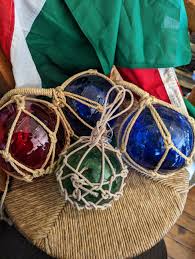
Japanese Glass Floats – Annapolis Maritime Antique…
annapolismaritimeantiques.com · $50
Vintage Lamp With 3 Colored Lamp Shades, 1950s / 6…
chairish.com · $220
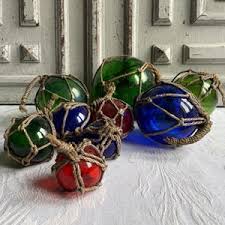
9x Antique French Fishing Floats Glass Vintage Dec…
etsy.com
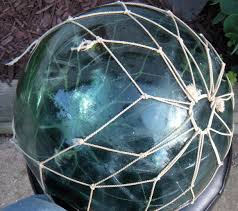
Vintage Antique Authentic Japanese Sendai Glass Fi…
worthpoint.com
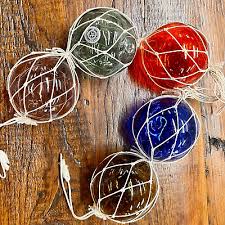
VINTAGE HANDBLOWN HOKUYO GLASS , JAPAN, 5 COLORED …
ebay.ca
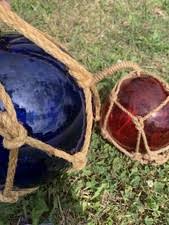
Glass Vintage Original Antique Fishing Nets & Floa…
ebay.ca
Related Items
Have an antique to identify?
Get an instant AI appraisal with values, history, and market insights.
Download for iPhone