Japanese Hand Plane Value Guide
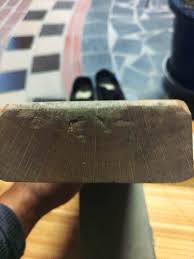
- Period
- 1900-1950
- Origin
- Japan
- Materials
- Wood, Steel
- Category
- Japanese woodworking tools
The Japanese Hand Plane, or Kanna, is a masterwork of minimalist design, prized by collectors for its unique pull-stroke operation and precision steel blade. These tools from the 1900-1950 era represent a pinnacle of traditional joinery, capable of producing paper-thin shavings that are essential for high-end Japanese woodworking.
What Is Japanese Hand Plane Worth?
The typical price range for Japanese Hand Plane is $150 - $200 based on recent sales. However, values can vary depending on the item's condition, rarity, and other factors such as:
- The reputation of the specific blacksmith who forged the steel blade significantly impacts the $150-$200 price range.
- Condition of the wooden body, specifically looking for cracks, warping, or excessive wear that affects the plane's stability.
- The remaining length of the blade, as repeated sharpening over decades can shorten the steel and reduce its utility.
- Originality of the components, ensuring the blade and the wooden block are properly matched and period-correct.
How to Identify Japanese Hand Plane?
- Look for a thick, laminated steel blade (ho-no-ki) that is tapered in thickness to wedge into the wooden body.
- Examine the 'Dai' or wooden block for high-quality Japanese white or red oak, typically showing signs of custom hand-tuning.
- Check for Japanese kanji characters stamped or engraved into the top of the steel blade, indicating the blacksmith or maker.
- Verify the pull-style configuration where the blade is angled toward the user rather than away as seen in Western planes.
History of Japanese Hand Plane
Japanese hand planes, or Kanna, have a long and rich history, evolving over centuries to become highly refined woodworking tools. Unlike Western planes that are pushed, Kanna are typically pulled across the workpiece, allowing for greater control and precision. They are renowned for their ability to produce incredibly smooth and thin shavings, essential for traditional Japanese joinery and finishing techniques. The design emphasizes simplicity and efficiency, with skilled craftsmen often custom-making or adjusting their Kanna to suit their specific needs.
Shop Similar
Tanaka Shoichiro Soryu Kanna Japanese Hand Plane 7…
ebay.com · $261
Freehand sharpening setup for knife care
facebook.com
Building a Wooden Hammer by Hand — Never Stop Buil…
neverstopbuilding.com
A Modeling Bench; Part Two, Adding a Cutting Surfa…
bomodeling.com
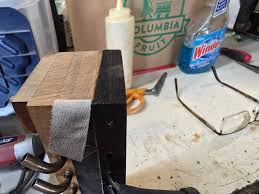
Rebuilding player parts with pneumatic cloth seals
facebook.com
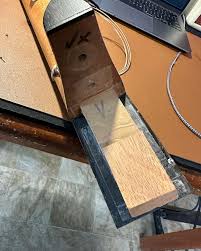
Furch neck joint
instagram.com
Related Items
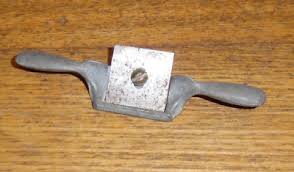
Have an antique to identify?
Get an instant AI appraisal with values, history, and market insights.
Download for iPhone