Japanese Imari Vase Value Guide
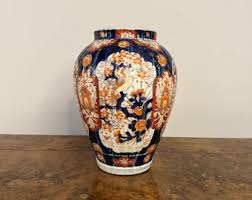
- Period
- 1880-1900
- Origin
- Japan
- Materials
- Porcelain, enamel
- Category
- Imari porcelain
This late 19th-century Japanese Imari vase represents the pinnacle of Arita porcelain craftsmanship, characterized by its vibrant overglaze enamels. These pieces are highly collectible due to their historical significance as a major Japanese export that profoundly influenced European ceramic aesthetics.
What Is Japanese Imari Vase Worth?
The typical price range for Japanese Imari Vase is $450 - $550 based on recent sales. However, values can vary depending on the item's condition, rarity, and other factors such as:
- The preservation of the delicate gold leaf gilding, which often wears away over time.
- The complexity and density of the polychrome enamel decoration across the vase surface.
- The physical condition, specifically the absence of hairline fractures or chips in the porcelain.
- The vibrancy of the iron-red pigment, which should appear rich rather than faded or dull.
How to Identify Japanese Imari Vase?
- Look for the signature 'Kinrande' style featuring a palette of underglaze cobalt blue paired with overglaze iron-red and gold.
- Examine the porcelain body for a slightly greyish or off-white tint typical of Meiji-era Arita production.
- Identify traditional motifs such as stylized floral patterns, birds, or landscapes framed by geometric borders.
- Check the base for kiln marks or a lack of modern 'Made in Japan' stamps, consistent with 1880-1900 production.
History of Japanese Imari Vase
Imari porcelain originated in the town of Arita, Hizen Province, Japan, during the 17th century. It became widely exported through the port of Imari. The distinctive style, characterized by rich polychrome enamel overglaze designs, often features traditional Japanese motifs like flowers, birds, and landscapes, along with stylized geometric patterns. Imari ware gained immense popularity in Europe during the 17th and 18th centuries, influencing Western porcelain production, and continues to be highly collectible today.
Shop Similar
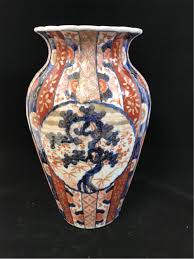
Lot - 19thC Japanese Imari Vase
worldauctiongallery.com · $70
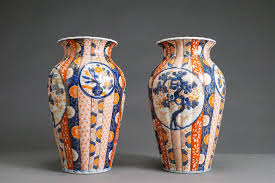
Lot - Pair Kutani Porcelain Vases, H: 12-1/4 inche…
weschlers.com · $175
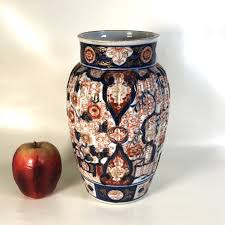
Antique Japanese Imari Porcelain Vase — Ardesh
ardesh.com · $195
Wonderful Antique Japanese Imari Vase - Etsy
etsy.com · $495
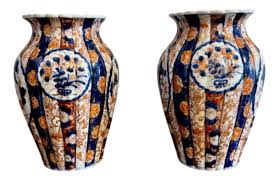
Antique Japanese Imari Shaped Vases, 1900, Set of …
chairish.com · $728
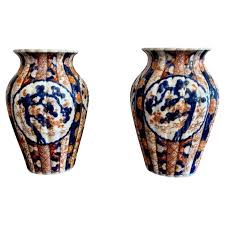
Wonderful pair of antique Japanese imari shaped va…
1stdibs.com · $810
Related Items
Have an antique to identify?
Get an instant AI appraisal with values, history, and market insights.
Download for iPhone