Japanese Koi Fish Plate Value Guide
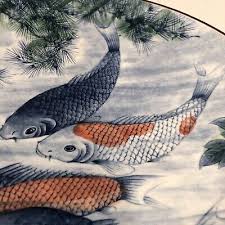
- Period
- 1940-1960
- Origin
- Japan
- Materials
- Porcelain, enamel paints
- Category
- Japanese plate
This mid-century Japanese porcelain plate is a striking example of post-war craftsmanship, featuring a hand-painted koi fish that symbolizes strength and perseverance. These pieces are highly collectible for their cultural depth, blending traditional samurai-associated symbolism with regional pottery techniques from the 1940-1960 era.
What Is Japanese Koi Fish Plate Worth?
The typical price range for Japanese Koi Fish Plate is $40 - $60 based on recent sales. However, values can vary depending on the item's condition, rarity, and other factors such as:
- The vibrancy and preservation of the enamel colors, especially the oranges and reds of the koi.
- The complexity and artistic quality of the hand-painted calligraphy and surrounding pine imagery.
- Overall physical condition, specifically the absence of chips in the porcelain or fading of the hand-painted elements.
- The presence of a specific regional pottery mark which can elevate the value within the $40-$60 range.
How to Identify Japanese Koi Fish Plate?
- Look for hand-applied enamel paints that create a slight texture over the porcelain surface.
- Verify the presence of traditional Japanese calligraphy alongside the koi and pine branch motif.
- Check the underside for maker's marks or 'Made in Japan' stamps consistent with 1940-1960 export standards.
- Examine the brushwork on the pine needles; authentic pieces show individual, deliberate strokes rather than uniform decals.
History of Japanese Koi Fish Plate
Koi fish, known for their vibrant colors and graceful movements, have been revered in Japanese culture for centuries. They symbolize perseverance, strength, and good fortune, often associated with samurai warriors and their unwavering spirit. Plates like this, adorned with such auspicious imagery, were not merely functional but served as decorative pieces, bringing symbolic prosperity and beauty to homes. The artistic style often reflects regional pottery traditions, making each piece a unique expression of Japanese craftsmanship.
Shop Similar
Vintage 1950s YY Japan Porcelain Plate With Koi Fi…
nicheladyshop.com · $30
Koi Fish Plate 14" Vintage Japanese Blue White Red…
ebay.com · $38
Vintage Sun Ceramics Koi Fish Lotus Charger Plate …
etsy.com · $49
King Silk Art Handmade Embroidery Wildlife 《锦鲤环游 .…
etsy.com · $64
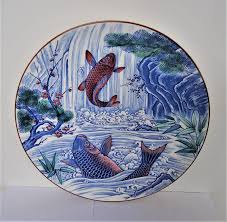
Japanese Platter Mino-Yaki Koi Fish Hand-Painted D…
chairish.com · $190
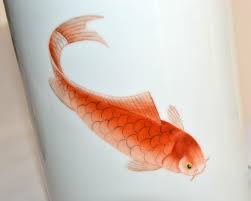
20th Century Signed Mk Bo Jia Porcelain Iron Red, …
chairish.com · $1310
Related Items

Have an antique to identify?
Get an instant AI appraisal with values, history, and market insights.
Download for iPhone