Japanese Lacquer Cabinet Value Guide
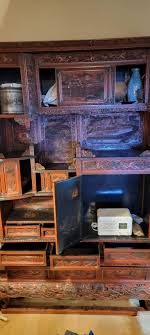
- Period
- 1868-1912
- Origin
- Japan
- Materials
- wood, lacquer, glass
- Category
- Japanese cabinet
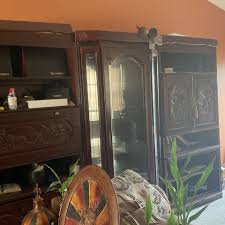
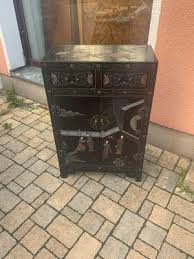
This exquisite Meiji-era cabinet represents the pinnacle of Japanese urushi craftsmanship, blending traditional lacquer techniques with Western-influenced display functionality. Produced between 1868 and 1912, these pieces were specifically designed to showcase prized possessions during a period of significant cultural exchange.
What Is Japanese Lacquer Cabinet Worth?
The typical price range for Japanese Lacquer Cabinet is $18,000 - $22,000 based on recent sales. However, values can vary depending on the item's condition, rarity, and other factors such as:
- The overall condition and preservation of the delicate urushi lacquer surface and glass panels.
- The complexity and artistic quality of the hand-carved decorative elements.
- Historical provenance and the ability to attribute the piece to a specific Meiji-era workshop.
- The presence of original components and the lack of modern restoration or structural modifications.
How to Identify Japanese Lacquer Cabinet?
- Examine the lacquer for the depth and luster characteristic of authentic urushi resin applied in multiple layers.
- Verify the Meiji-era construction by looking for a combination of traditional Japanese joinery and glass display sections intended for export.
- Inspect the intricate carvings for traditional motifs and high-relief details consistent with late 19th-century Japanese artistry.
- Check for period-correct hardware and the specific aging patterns found on wood and glass from the 1868-1912 timeframe.
History of Japanese Lacquer Cabinet
Japanese lacquerware, known as urushi, has a history spanning thousands of years. Early examples date back to the Jomon period. This cabinet style likely emerged during the Meiji period, when Japan opened to the West, and traditional crafts were adapted for export and Western tastes. The detailed carvings and display functionality suggest it was a piece designed to showcase prized possessions, possibly incorporating traditional motifs.
Shop Similar
Related Items
Have an antique to identify?
Get an instant AI appraisal with values, history, and market insights.
Download for iPhone