Japanese Lacquer Inro Value Guide
- Period
- 19th century
- Origin
- Japan
- Materials
- Lacquer, wood, silk cord
- Category
- Japanese lacquer
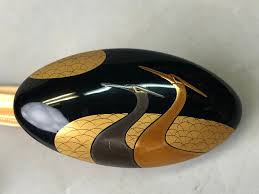
This 19th-century Japanese lacquer inro is a masterpiece of Edo-period functional art, featuring a symbolic crane and red sun motif against a cloud background. Originally designed as portable storage for kimono wearers, these multi-compartment cases evolved into high-status accessories showcasing elite craftsmanship.
What Is Japanese Lacquer Inro Worth?
The typical price range for Japanese Lacquer Inro is $800 - $1,000 based on recent sales. However, values can vary depending on the item's condition, rarity, and other factors such as:
- Condition of the lacquer surface, specifically looking for chips, cracks, or fading in the red sun and cloud motifs.
- The complexity of the multi-compartment interior and whether the sections remain airtight and functional.
- Artistic execution of the crane imagery, as high-detail zoomorphic subjects typically command prices in the $800-$1,000 range.
- Provenance and the presence of associated components like the original silk cord or a matching netsuke toggle.
How to Identify Japanese Lacquer Inro?
- Examine the multi-compartment construction for precise fit and seamless alignment of the lacquer design across the sections.
- Look for the traditional black lacquer finish applied over a wooden base, characteristic of 19th-century Japanese production.
- Verify the presence of the original silk cord channels (himotoshi) integrated into the sides of the case.
- Inspect the crane and red sun motif for the fine detail and layering typical of authentic Japanese lacquerwork.
History of Japanese Lacquer Inro
Inro are traditional Japanese cases, often made from wood and lacquered, used for holding small objects. They were popular during the Edo period (1603-1868) when kimono, which lacked pockets, were the primary form of dress. Men would wear inro suspended from their obi (sash) by a netsuke (a toggle). The intricate craftsmanship and artistic detail of inro made them a status symbol, with many pieces becoming true works of art, highly prized for their beauty and the skill involved in their creation.
Shop Similar
Vintage Black Vase, Mid Century Modern Vase, 1960s…
etsy.com · $28
Pair of Japanese Black and Red Meiji 19th Century …
1stdibs.com · $13089
Vintage Signed Japanese Hand Painted/etched Floral…
etsy.com
Koi Fish Glass Blown Paperweight
liveauctioneers.com
Vintage Cloisonne Pendant with Birds and Flowers R…
ebay.ca
Inro in the Form of an Eggplant with Mount Fuji an…
pinterest.com
Related Items
Have an antique to identify?
Get an instant AI appraisal with values, history, and market insights.
Download for iPhone