Kingston Baritone Ukulele Value Guide
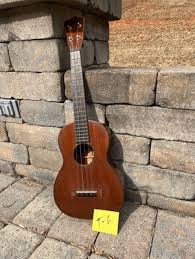
- Period
- 1960-1969
- Origin
- Japan
- Materials
- Mahogany laminate, rosewood fingerboard, plastic tuning pegs, nylon strings
- Category
- Kingston ukulele
The Kingston Baritone Ukulele is a quintessential artifact of the 1960s folk boom, representing the high-quality Japanese craftsmanship of the Kawai and Teisco factories. Its larger body size and guitar-like tuning made it a favorite for musicians seeking a deeper, resonant tone compared to standard soprano models.
What Is Kingston Baritone Ukulele Worth?
The typical price range for Kingston Baritone Ukulele is $150 - $165 based on recent sales. However, values can vary depending on the item's condition, rarity, and other factors such as:
- Overall structural integrity, specifically checking for any lifting of the bridge or warping of the mahogany laminate.
- The presence and condition of the original plastic tuning pegs and nylon strings.
- Cosmetic preservation of the mahogany finish, as scratches or fading can impact the $150-$165 market valuation.
- The playability of the rosewood fingerboard and the height of the string action.
How to Identify Kingston Baritone Ukulele?
- Look for the distinctive crown-shaped headstock which is a signature design element of the Kingston brand.
- Verify the 1960s Japanese origin, often indicated by a 'Made in Japan' stamp or sticker on the back of the headstock or inside the sound hole.
- Check for the specific material combination of a mahogany laminate body paired with a rosewood fingerboard.
- Confirm the baritone scale length, which is significantly larger than soprano or concert models and typically features 18 to 21 frets.
History of Kingston Baritone Ukulele
Kingston was a prominent brand during the folk music boom of the 1960s, specializing in importing Japanese-made instruments to the United States. These instruments were often produced in the Kawai or Teisco factories. The baritone ukulele, tuned like the top four strings of a guitar, became popular for its deeper tone and familiarity for guitar players transitioning to the ukulele.
Shop Similar
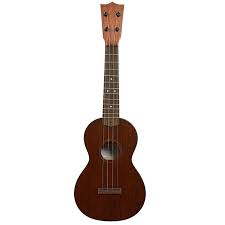
Martin Centennial Concert Ukulele & Gigbag – Elder…
elderly.com · $599
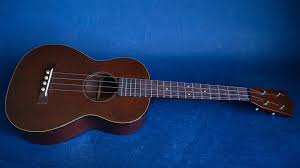
1950s Martin Tenor Uke - Willie's Guitars
williesguitars.com · $1250
Vintage Martin 1950's Tenor Ukulele | eBay
ebay.com · $1749
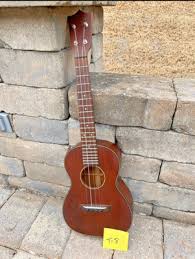
1970's Martin 14 Fret Tenor Ukulele | eBay
ebay.com · $2149
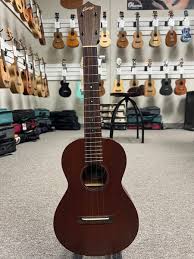
Collings UT1 Solid Honduran Mahogany Tenor Ukulele…
alohacityukes.com · $2499
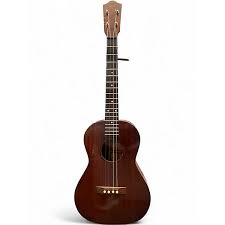
Vintage 1960s Guild Baritone Ukulele Natural Ukule…
guitarcenter.com
Have an antique to identify?
Get an instant AI appraisal with values, history, and market insights.
Download for iPhone