Knightia Fossil Fish Value Guide
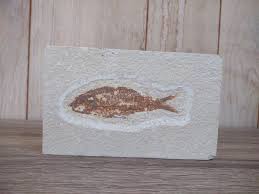
- Period
- Eocene epoch, approximately 50 million years ago
- Origin
- United States
- Materials
- Fossilized fish, sedimentary rock matrix
- Category
- Fossil fish
The Knightia is an extinct genus of herring-like fish that thrived in the subtropical Green River Formation 50 million years ago. These fossils are highly collectible due to their exceptional preservation within sedimentary rock, offering a detailed window into the aquatic ecosystems of the Eocene epoch.
What Is Knightia Fossil Fish Worth?
The typical price range for Knightia Fossil Fish is $150 - $150 based on recent sales. However, values can vary depending on the item's condition, rarity, and other factors such as:
- The clarity and completeness of the skeletal remains of both fish on the slab.
- The size and aesthetic balance of the rectangular sedimentary stone matrix.
- The level of natural contrast between the fossilized remains and the surrounding rock.
- The absence of excessive artificial restoration or painted enhancements on the fossil surface.
How to Identify Knightia Fossil Fish?
- Look for the distinct rectangular stone slab matrix characteristic of the Green River Formation in Wyoming, Utah, or Colorado.
- Examine the specimen for clear skeletal definition, including the fine rib bones and dorsal fins typical of the Knightia genus.
- Verify the dark brown or black carbonization of the fish against the lighter tan or cream-colored sedimentary rock.
- Check for the presence of two distinct fish on a single slab, which increases the display appeal and confirms its natural origin.
History of Knightia Fossil Fish
Knightia are an extinct genus of fish that swam the ancient waters of the Green River Formation, a vast subtropical lake system that covered parts of Wyoming, Utah, and Colorado around 50 million years ago. These small, herring-like fish are among the most common and recognizable fossils from this region, offering a vivid glimpse into the Eocene epoch's aquatic life. Their abundance and excellent preservation make them popular with collectors and a significant resource for paleontologists studying ancient ecosystems.
Shop Similar
Knightia Fossil Fish with Display Stand - Fossil H…
fossilhoard.com · $19
Knightia Fossil Fish – Detailed Prehistoric Fossil…
etsy.com · $41
Fossilized Fish (Knightia) – Esoterica
esotericatheshop.com · $55
Fossil Fish 6.75” x 4" | eBay
ebay.com · $66
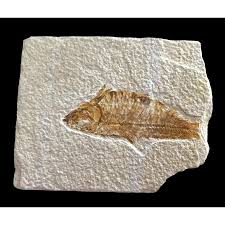
Ancient Fossil Fish on Stone 5 X 4 - Etsy
etsy.com · $300
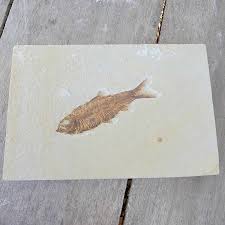
Knightia Fossil Fish Plate 100% AUTHENTIC - Free S…
ebay.com
Related Items
Have an antique to identify?
Get an instant AI appraisal with values, history, and market insights.
Download for iPhone