Kodak No. 3A Folding Pocket Camera Value Guide
- Period
- 1903-1915
- Origin
- United States
- Materials
- Leather, metal, glass, fabric bellows
- Category
- Kodak camera
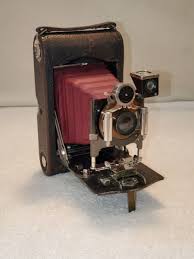
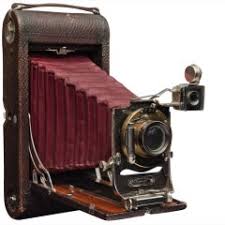
The Kodak No. 3A Folding Pocket Camera is a landmark of early 20th-century photography, prized for its ability to produce large 3.25 x 5.5 inch postcard-sized negatives. Its innovative folding design and distinctive red bellows made high-quality amateur photography portable for the first time between 1903 and 1915.
What Is Kodak No. 3A Folding Pocket Camera Worth?
The typical price range for Kodak No. 3A Folding Pocket Camera is $150 - $200 based on recent sales. However, values can vary depending on the item's condition, rarity, and other factors such as:
- The condition and color of the bellows; original red bellows in light-tight condition command a significant premium over standard black.
- The presence of the original stylus for the 'Autographic' feature on later sub-models can increase collector interest.
- Cosmetic integrity of the leather covering, specifically looking for 'red rot' or peeling which common in units from 1903-1915.
- Functional status of the shutter mechanism and the clarity of the glass lens elements.
How to Identify Kodak No. 3A Folding Pocket Camera?
- Check for the original red fabric bellows, which are characteristic of early production models before the transition to black.
- Verify the 'No. 3A Folding Pocket Kodak' nameplate usually located on the interior of the folding bed or near the lens.
- Confirm the camera is designed for 122 roll film, which creates the signature 3.25 x 5.5 inch negative size.
- Examine the leather-covered body and metal hardware for the Eastman Kodak Company branding and patent dates from the 1903 era.
History of Kodak No. 3A Folding Pocket Camera
Introduced by Eastman Kodak Company, the No. 3A Folding Pocket Kodak was a highly popular camera in the early 1900s. It was designed to use 122 film, creating large 3.25 x 5.5 inch negatives, which were a favorite for postcard-sized prints. Its folding design made it significantly more portable than earlier plate cameras, contributing to the rise of amateur photography.
Shop Similar
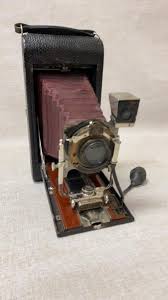
Sold at Auction: 3 Antique KODAK Folding and BROWN…
invaluable.com · $20
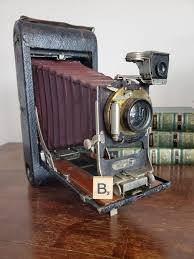
Vintage Cameras, Various Makes, Models and Conditi…
etsy.com · $30
Kodak No. 3 Model F Folding Pocket Camera, Rapid R…
ebay.com · $130
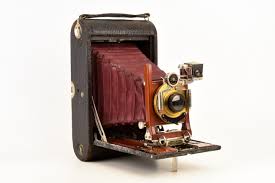
Kodak Folding No 4A Model A Red Bellows 126 Film L…
vssoutlet.com · $300
Kodak Folding Camera at 1stDibs | accordion camera…
1stdibs.com · $700
Kodak Star Premo Red Bellows 4x5 Antique Folding C…
ebay.com.hk
Related Items
Have an antique to identify?
Get an instant AI appraisal with values, history, and market insights.
Download for iPhone