Larimar Sterling Silver Pendant Necklace Value Guide
- Period
- 1990-2020
- Origin
- Dominican Republic
- Materials
- Larimar, Sterling Silver
- Category
- Larimar jewelry
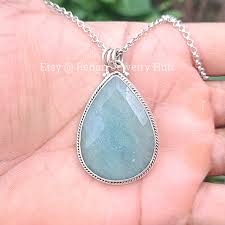
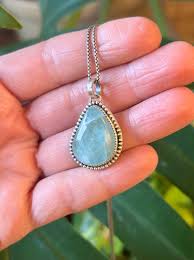
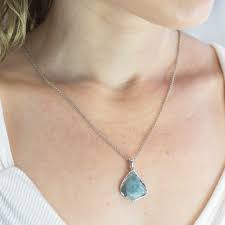
This striking teardrop-shaped Larimar pendant is a highly prized collectible due to the gemstone's status as a rare blue variety of pectolite found exclusively in the Dominican Republic. Since its market introduction in 1974, Larimar has become a staple for artisanal jewelry collectors who value its unique ability to mimic the mottled blue and white patterns of the Caribbean Sea.
What Is Larimar Sterling Silver Pendant Necklace Worth?
The typical price range for Larimar Sterling Silver Pendant Necklace is $175 - $210 based on recent sales. However, values can vary depending on the item's condition, rarity, and other factors such as:
- The intensity and saturation of the blue coloration significantly impact the $175-$210 price range.
- The presence of the original sterling silver box chain and the overall condition of the polished silver setting.
- Clarity of the 'sea-foam' patterning, with high-contrast white and blue marbling commanding premium values.
- The size and carat weight of the teardrop-shaped Larimar specimen relative to the 1990-2020 production era.
How to Identify Larimar Sterling Silver Pendant Necklace?
- Verify the characteristic blue and white mottled pattern which should appear organic and non-repeating throughout the teardrop stone.
- Check for the '925' hallmark on the polished sterling silver bezel and the box chain to ensure metal authenticity.
- Examine the stone for the distinct chatoyancy and translucency typical of high-quality Dominican pectolite.
- Confirm the setting is a secure bezel mount, which is the traditional artisanal method for protecting this specific mineral.
History of Larimar Sterling Silver Pendant Necklace
Larimar is a rare blue variety of the mineral pectolite, found exclusively in the Dominican Republic. It was first officially recorded in 1916 but was not actively mined and introduced to the jewelry market until 1974. Its distinctive coloration, which mimics the shallow waters of the Caribbean Sea, rapidly established it as a highly prized ornamental stone, particularly for contemporary and artisanal jewelry designs.
Shop Similar
Birthstone Pendant Charm - Natural Faceted Blue Aq…
etsy.com · $27
Natural Aquamarine Drop Pendant, 925 Sterling Silv…
etsy.com · $50
Sterling Silver Rough Cut Aquamarine Pear Shape Pe…
caseyscollectionsshop.com · $55
March Birthstone Necklace - 925 Sterling Silver...…
folksy.com · £80
Ocean Blue… | Aquamarine Pendant | RJJewelry
rachaeljamisonjewelry.com · $178
Aquamarine Necklace | Made In Earth US
madeinearthus.com · $535
Related Items
Have an antique to identify?
Get an instant AI appraisal with values, history, and market insights.
Download for iPhone