Lefton Bluebird Salt and Pepper Shakers Value Guide
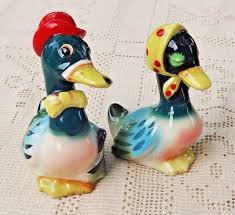
- Period
- 1950s
- Origin
- Japan
- Materials
- Porcelain, ceramic
- Category
- Lefton figurines
These 1950s anthropomorphic bluebird shakers are iconic examples of George Zoltan Lefton's post-war Japanese imports. Their enduring popularity stems from their whimsical expressions and detailed outfits, representing a peak era of decorative American kitchenware.
What Is Lefton Bluebird Salt and Pepper Shakers Worth?
The typical price range for Lefton Bluebird Salt and Pepper Shakers is $70 - $95 based on recent sales. However, values can vary depending on the item's condition, rarity, and other factors such as:
- Condition is paramount; any chips, cracks, or significant crazing will reduce the $70-$95 market value.
- The presence of the original red and gold foil stickers significantly increases the desirability for serious collectors.
- Paint quality and clarity, particularly on the birds' facial features and clothing, dictate the final price point.
- Completeness of the set, including original plastic or cork stoppers, ensures the highest valuation.
How to Identify Lefton Bluebird Salt and Pepper Shakers?
- Look for the original red and gold foil Lefton label or the stamped 'Lefton China' mark on the base.
- Verify the specific 1950s anthropomorphic style featuring large, expressive eyes and human-like clothing details.
- Check for the alphanumeric model numbers typically associated with Lefton's bluebird series, such as 290 or 490.
- Examine the glaze for the characteristic high-gloss finish typical of mid-century Japanese porcelain imports.
History of Lefton Bluebird Salt and Pepper Shakers
George Zoltan Lefton founded Lefton China in Chicago, Illinois, in 1940. Specializing in importing Japanese porcelain, Lefton became known for its whimsical and collectible designs. These anthropomorphic bluebird shakers, with their endearing expressions and outfits, are a prime example of the charming novelties that were popular in post-war American homes, often imported from Japan. They reflect a time when everyday household items were also decorative and brought a touch of joy and personality to the kitchen or dining table.
Shop Similar
VINTAGE 1950's HAND PAINTED PORCELAIN ANTHROPOMORP…
ebay.com · $20
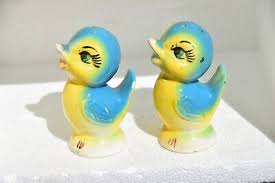
Mid century, blue/ yellow, singing bird salt / pep…
ebay.com · $25
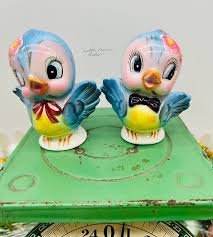
Lefton anthropomorphic bluebird salt/pepper shaker…
littlelemonretro.com · $70
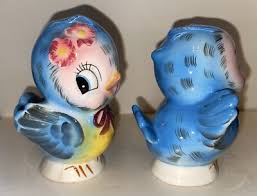
VINTAGE LEFTON BLUE BIRD SALT & PEPPER SHAKERS | e…
ebay.com.au · $95
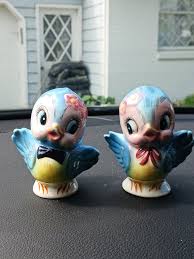
Vintage Pair (2) Lefton #7175 Anthropomorphic Blue…
etsy.com · $204
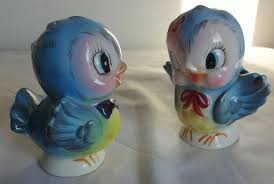
Vintage 50s Lefton Bluebird Figurines Blue Birds P…
ebay.com · $249
Related Items
Have an antique to identify?
Get an instant AI appraisal with values, history, and market insights.
Download for iPhone