Lightning Rod Value Guide
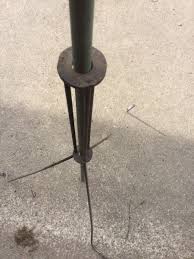
- Period
- 1900-1940
- Origin
- United States
- Materials
- Cast iron, galvanized steel
- Category
- Home safety
This early 20th-century American lightning rod represents a blend of functional safety and industrial folk art. Originally designed to divert electrical discharges into the ground, these cast iron and galvanized steel fixtures have become highly sought-after pieces of rural architectural history.
What Is Lightning Rod Worth?
The typical price range for Lightning Rod is $125 - $125 based on recent sales. However, values can vary depending on the item's condition, rarity, and other factors such as:
- The presence of original decorative glass balls or unique finials can significantly increase the $125 base value.
- The condition of the galvanized coating and the lack of severe oxidation on the cast iron components.
- Historical provenance or manufacturer markings that link the rod to specific US foundries from the early 1900s.
- Completeness of the assembly, including the original mounting tripod or grounding attachment points.
How to Identify Lightning Rod?
- Check for a heavy cast iron base or decorative points typical of the 1900-1940 era.
- Look for signs of authentic weathering on the galvanized steel rod, which should show age but remain structurally sound.
- Verify the mounting hardware style, as US-made rods from this period often featured specific threading or bracket designs for barn rooftops.
- Examine the tip for sharp points or decorative finials that distinguish early 20th-century models from modern utilitarian versions.
History of Lightning Rod
Lightning rods were invented by Benjamin Franklin in the mid-18th century. Early versions were often simple metal rods designed to safely divert electrical discharges into the ground, protecting buildings and ships. Over time, designs evolved to include decorative elements and more sophisticated grounding systems, becoming common fixtures on barns, homes, and public buildings throughout the 19th and early 20th centuries.
Shop Similar
vintage lightning rod 46” no glass ball | eBay
ebay.com · $125
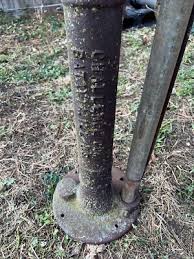
Vintage Cast Iron Well Pump Garden Yard Décor Chal…
ebay.com · $275
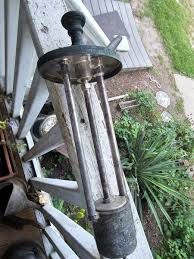
Soda Fountain Vintage Maple Syrup Pump Porcelain C…
ebay.com
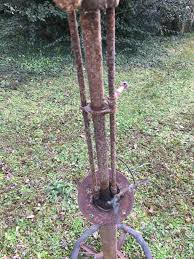
Volant et colonne FORD T 1908 1927 à vendre
lesanciennes.com
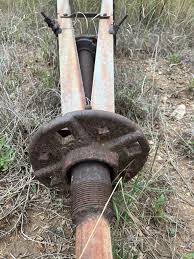
Good morning! Could someone tell me the make of th…
facebook.com
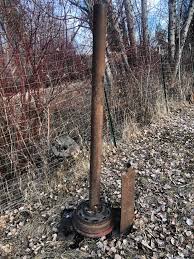
I recently bought a house and this was left here. …
reddit.com
Have an antique to identify?
Get an instant AI appraisal with values, history, and market insights.
Download for iPhone