Lindy Star Sapphire Ring Value Guide
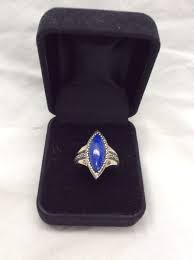
- Period
- 1950-1970
- Origin
- United States
- Materials
- Lindy Star Sapphire, cubic zirconia or white sapphire, white gold or sterling silver
- Category
- Star sapphire ring
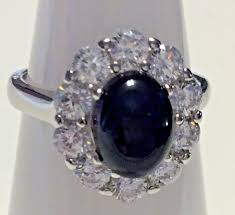
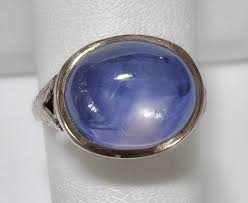
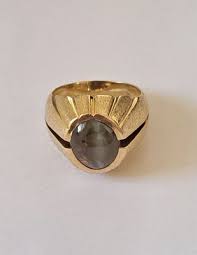
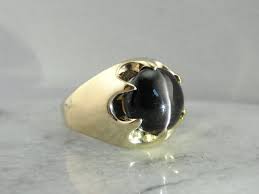
The Lindy Star Sapphire Ring is a quintessential piece of mid-century Americana, popularized by the Linde Air Products Company between 1950 and 1970. These rings are highly collectible for their perfect asterism, representing a breakthrough in synthetic gemstone technology that allowed for consistent, vibrant star effects.
What Is Lindy Star Sapphire Ring Worth?
The typical price range for Lindy Star Sapphire Ring is $150 - $250 based on recent sales. However, values can vary depending on the item's condition, rarity, and other factors such as:
- The clarity and centering of the six-rayed star significantly impact the market price.
- Metal composition, specifically whether the setting is solid white gold or sterling silver, dictates the base value.
- The presence of original side stones, such as white sapphires or early cubic zirconia, adds to the vintage appeal.
- Overall condition of the cabochon, as synthetic sapphires can show surface abrasions or chips over decades of wear.
How to Identify Lindy Star Sapphire Ring?
- Look for the signature 'L' engraved or stamped on the back of the stone, which was a trademark of the Linde Air Products Company.
- Observe the star effect; Lindy Stars feature a very sharp, distinct six-rayed star that remains visible even in low light compared to natural stones.
- Check the metal hallmark for 10k or 14k white gold, as these synthetic stones were frequently paired with precious metals during their peak production.
- Examine the surface for a very smooth, almost glassy finish typical of synthetic corundum produced in the United States.
History of Lindy Star Sapphire Ring
Lindy Star Sapphires are synthetic corundum, first created in the 1940s by the Linde Air Products Company. These stones were designed to replicate the natural phenomenon of asterism, the star-like effect seen in natural star sapphires, offering an affordable and consistent alternative to their natural counterparts. Their popularity peaked in the mid-20th century, making them a distinctive feature in vintage jewelry of that era.
Shop Similar
Dolphin Ore | Jewelry | 8k Yellow Gold Ep Lapis La…
poshmark.com · $32
Southwestern Carolyn Pollack sterling 925 Blue Lap…
ebay.com · $70
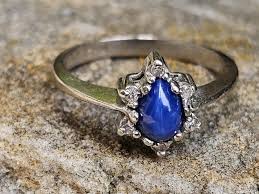
Vintage Lindy Star Sapphire Ring / 1950s Vintage B…
etsy.com · $261
Buy Retro Vintage Lapis Lazuli Ring 14K Gold, Stat…
arnoldjewelers.com · $649
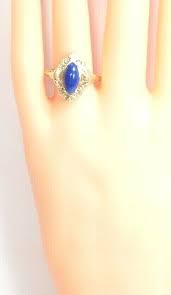
Antique Art Deco Lapis Lazulli 10K Yellow Gold Rin…
ebay.com
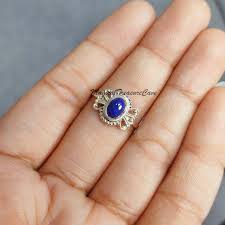
Natural Blue Lapis Lazuli Ring, 925 Sterling Silve…
etsy.com
Related Items
Have an antique to identify?
Get an instant AI appraisal with values, history, and market insights.
Download for iPhone