Locust Beans Value Guide
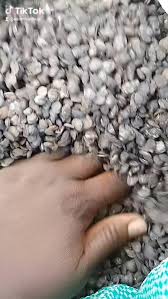
- Period
- Ancient to Present
- Origin
- Unknown
- Materials
- Dried locust bean pods
- Category
- Food ingredients
Dried locust beans, also known as carob, are collectible for their deep historical roots in Mediterranean and Middle Eastern cultures where they served as a vital nutritional staple. These pods are particularly significant for their biblical associations, famously linked to the diet of John the Baptist during his time in the wilderness.
What Is Locust Beans Worth?
The typical price range for Locust Beans is $5 - $15 based on recent sales. However, values can vary depending on the item's condition, rarity, and other factors such as:
- The overall condition and intactness of the dried pods, as broken or crushed specimens are less desirable.
- The total quantity and weight of the pile, with larger batches typically reaching the higher end of the $15 range.
- Historical provenance or specific regional sourcing, especially if linked to traditional fermentation or milling practices.
- The presence of original seeds within the pods, which adds to the botanical and historical completeness of the item.
How to Identify Locust Beans?
- Look for long, dark brown to black leathery pods that are naturally dried and slightly curved.
- Authentic pods should contain small, hard, uniform seeds that were historically used as a standard for weighing gold.
- Check for a distinct, mildly sweet aroma characteristic of the carob tree (Ceratonia siliqua).
- Ensure the texture is brittle yet firm, indicating proper preservation from the ancient to present era.
History of Locust Beans
Locust beans, derived from the carob tree, have a rich history dating back to ancient times. They were a staple food in many Mediterranean and Middle Eastern cultures, prized for their nutritional value and versatility. Historically, the pods were ground into flour, used as a natural sweetener, or fermented to create various food products. They even have biblical references, often associated with John the Baptist's diet in the wilderness.
Shop Similar
Dried Locust Beans (Iru) – The Secret to Flavorful…
instagram.com
Any ideas why suddenly all of my fish died? : r/Aq…
reddit.com
You kids have to know this 😉 | Facebook
facebook.com
BFS Dianthidium nest #3 - Dianthidium - BugGuide.N…
bugguide.net
I know we always begging for food but do we deserv…
facebook.com
Dried Deedot locust Beans It is used by the majori…
facebook.com
Have an antique to identify?
Get an instant AI appraisal with values, history, and market insights.
Download for iPhone