Loose Gemstone Value & Price Guide
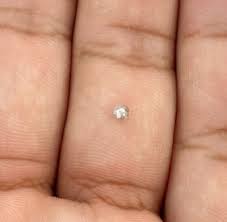
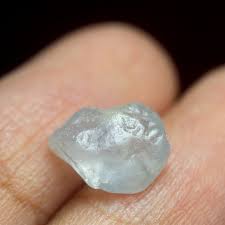
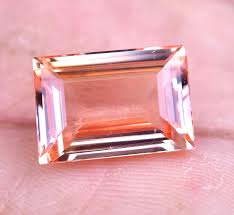
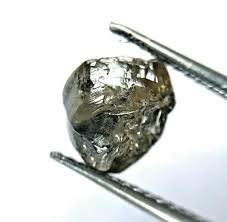
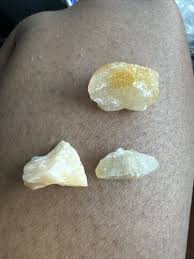
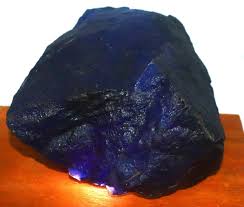
Loose gemstones represent a captivating intersection of natural history and investment-grade artistry. Collectors value these unmounted stones for their raw geological beauty, precise lapidary work, and the flexibility they offer for custom jewelry design.
Price Range: $150 - $225 based on recent sales
History of Loose Gemstone
The collection of loose gemstones dates back to ancient civilizations, where civilizations like the Egyptians and Romans prized lapis lazuli, emeralds, and garnets for their perceived mystical properties and status. During the 18th and 19th centuries, advancements in mining and the discovery of major deposits in South America and Africa transformed gemstones from rare royal treasures into a structured global market. In the modern era, the focus has shifted toward ethical sourcing and the appreciation of 'fancy' colors and unique origins. From the historic discovery of Montana sapphires to the record-breaking 2022 auction of the Estrela de Fura ruby, the market continues to evolve with a blend of traditional appreciation and contemporary investment strategies.
Value Factors for Loose Gemstone
The typical price range for Loose Gemstone is $150 - $225 based on recent sales. However, values can vary depending on the item's condition, rarity, and other factors such as:
- Rarity of the mineral species and the specific geographic origin, such as Burmese rubies or Colombian emeralds.
- The presence or absence of heat treatments and enhancements, as completely natural stones command significant premiums.
- The precision of the cut and the stone's ability to reflect light, which maximizes the inherent brilliance and 'fire' of the gem.
- Market demand for specific colors, such as the current high valuation for 'pigeon blood' reds and 'cornflower' blues.
Tips for Buying Loose Gemstone
- Always request a laboratory certification from reputable organizations like the GIA or IGI to verify origin and treatment status.
- Examine the stone under 10x magnification to identify internal inclusions that can distinguish natural gems from synthetic counterparts.
- Prioritize 'eye-clean' clarity in faceted stones, while looking for unique asterism or chatoyancy in cabochon-cut gems.
- Consider the 'Four Cs'—color, cut, clarity, and carat weight—but remember that in colored stones, the richness and saturation of the hue are the primary value drivers.
Items in This Collection
Have an antique to identify?
Get an instant AI appraisal with values, history, and market insights.
Download for iPhone