Luba Caryatid Stool Value Guide
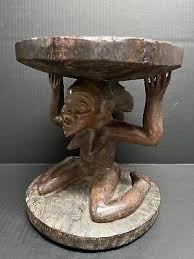
- Period
- 1900-1930
- Origin
- Democratic Republic of Congo
- Materials
- Carved wood
- Category
- African art
The Luba Caryatid Stool is a profound symbol of ancestral authority and prestige from the Democratic Republic of Congo, dating between 1900 and 1930. These carved wooden thrones are highly collectible for their representation of the 'mwadi' female figure, who serves as a spiritual bridge between the living chief and the ancestors.
What Is Luba Caryatid Stool Worth?
The typical price range for Luba Caryatid Stool is $700 - $770 based on recent sales. However, values can vary depending on the item's condition, rarity, and other factors such as:
- The intricacy and preservation of the detailed scarification and facial features on the caryatid figure.
- Overall condition of the wood, including the presence of natural wear versus modern damage or cracks.
- Provenance and evidence of the stool's use as a functional throne of power within the Luba Kingdom.
- The quality of the carving, specifically the balance and symmetry of the female figure supporting the seat.
How to Identify Luba Caryatid Stool?
- Look for the central 'mwadi' female figure carved from a single block of wood supporting the circular seat.
- Examine the wood for a dark, aged patina consistent with early 20th-century Congolese craftsmanship.
- Identify traditional Luba aesthetic markers such as intricate scarification patterns on the torso and elaborate hairstyles.
- Verify the structural integration where the figure's hands or head directly meet the underside of the stool seat.
History of Luba Caryatid Stool
Luba caryatid stools are emblematic of the Luba Kingdom in the Democratic Republic of Congo, renowned for its sophisticated art and political structure. These stools were not merely furniture but symbols of power, prestige, and ancestral authority, often serving as thrones for chiefs and kings. The female figure, known as a 'mwadi,' represents the spiritual authority and connection to the ancestors, who were believed to communicate through these figures. The intricate carvings and detailed depictions are a testament to the master craftsmanship of Luba artists and the profound cultural significance embedded in each piece.
Shop Similar
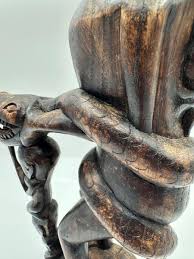
Vintage African Hand Carved Wood Statue | EstateSa…
estatesales.org · $23
African Art Luba Stool | eBay
ebay.com · $250
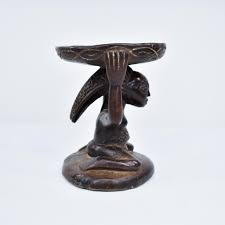
Early 20th Century African Wood Headrest | Chairis…
chairish.com · $420
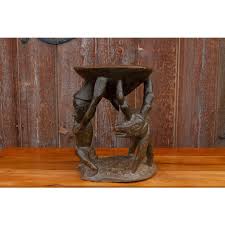
19th Century Tribal African Carved Stool | Chairis…
chairish.com · $445

Antique Luba Stool: African Tribal Carved Wood Scu…
etsy.com · $704
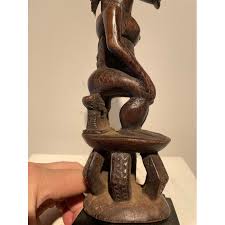
Baule Blolo Asye Usu Divination Figures / Pair , C…
beadsofparadisenyc.com · $1400
Related Items

Have an antique to identify?
Get an instant AI appraisal with values, history, and market insights.
Download for iPhone