Magnus Electric Chord Organ Model 300 Value Guide
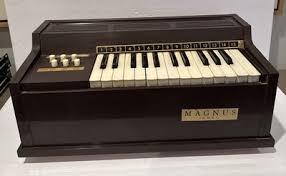
- Period
- 1960-1969
- Origin
- USA
- Materials
- Plastic, metal, electronic components
- Category
- Magnus organ
The Magnus Electric Chord Organ Model 300 is a quintessential piece of mid-century Americana, representing Finn Magnus's vision of making music accessible to every household. This tabletop instrument is highly collectible for its unique brown plastic aesthetic and its historical significance as a transition from harmonica manufacturing to home electronics.
What Is Magnus Electric Chord Organ Model 300 Worth?
The typical price range for Magnus Electric Chord Organ Model 300 is $50 - $55 based on recent sales. However, values can vary depending on the item's condition, rarity, and other factors such as:
- Operational status of the internal fan and the clarity of the plastic reeds when keys are depressed.
- Physical condition of the brown plastic case, specifically looking for cracks, heat warping, or significant scuffing.
- Completeness of the unit, including the original power cord and any surviving Magnus songbooks or instructional materials.
- Market demand for 1960s retro-tech, which currently maintains a stable value between $50 and $55 for functional units.
How to Identify Magnus Electric Chord Organ Model 300?
- Confirm the presence of 25 keys and exactly six chord buttons on the left side of the brown plastic housing.
- Check for the 'Magnus' brand logo and 'Model 300' designation typically located on the faceplate or rear identification sticker.
- Verify the internal electric fan mechanism which distinguishes it from traditional bellows-driven reed organs.
- Look for the 'Made in USA' marking, reflecting its origin from the Magnus Harmonica Corporation in New Jersey.
History of Magnus Electric Chord Organ Model 300
Finn Magnus, a Danish immigrant, founded the Magnus Harmonica Corporation in New Jersey. Originally focusing on harmonicas during WWII material shortages, the company transitioned to tabletop electric chord organs in the late 1950s. These instruments utilized an internal fan to blow air over plastic reeds, making music accessible and affordable for the average American household throughout the mid-century era.
Shop Similar
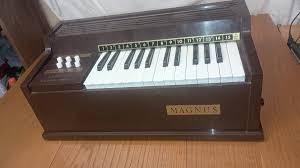
Vintage Electric Organ Magnus Chord Model 300 USA …
ebay.com · $49
Organ Magnus Electric Chord Model 300 USA Brown Te…
ebay.com · $76
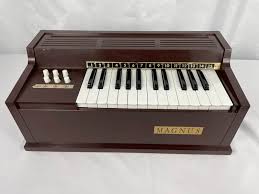
Vintage 1960s Magnus Electric Chord Organ Model 30…
reverb.com · $85
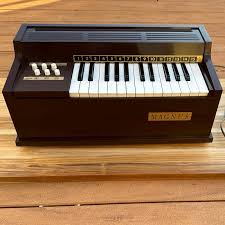
Magnus Tabletop Electric Chord Organ Model 300 Bro…
reverb.com · $105
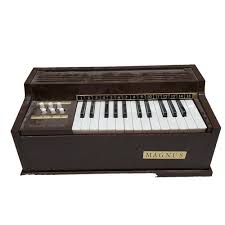
Vintage Magnus Diamond Electric Chord Organ Model …
ebay.com · $139
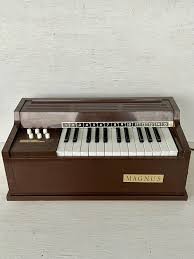
Vintage Magnus Electric Chord Desk Top Organ Model…
etsy.com
Related Items
Have an antique to identify?
Get an instant AI appraisal with values, history, and market insights.
Download for iPhone