Male Mannequin Torso Value Guide
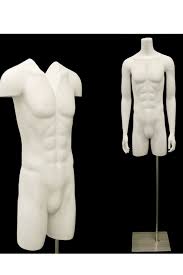
- Period
- 1990-2010
- Origin
- United States
- Materials
- Fiberglass, Plastic
- Category
- Mannequin torso
This headless, muscular male mannequin torso represents a pivotal era in American retail display where the focus shifted entirely to garment silhouette. Produced between 1990 and 2010, these fiberglass and plastic forms are highly collectible for their anatomical accuracy and industrial aesthetic.
What Is Male Mannequin Torso Worth?
The typical price range for Male Mannequin Torso is $100 - $150 based on recent sales. However, values can vary depending on the item's condition, rarity, and other factors such as:
- Surface condition is critical, as scratches or chips in the fiberglass finish can reduce the value below the $100 mark.
- The presence of original mounting hardware or a weighted stand significantly increases the resale price toward the $150 range.
- Anatomical detail and the quality of the muscular molding affect desirability for both retailers and private collectors.
- Material composition, with reinforced fiberglass generally commanding a higher price than thinner plastic counterparts.
How to Identify Male Mannequin Torso?
- Check for a heavy fiberglass or high-impact plastic construction typical of late 20th-century US manufacturing.
- Look for the distinct 'headless' design which was popularized during this era to minimize visual distraction from the apparel.
- Examine the muscular definition and athletic proportions which characterize the retail trends of the 1990s and early 2000s.
- Inspect the base or neck cap for manufacturer stamps or labels indicating United States origin.
History of Male Mannequin Torso
Mannequins have been used for centuries to display clothing and provide fitting models for tailors. Early forms included articulated wooden dolls and wicker frames. The modern mannequin, often made from fiberglass or plastic, gained prominence in the 20th century, evolving with fashion trends and display technologies to become a staple in retail environments worldwide. Headless mannequins specifically became popular for their ability to focus attention on the clothing rather than the mannequin's 'personality', and to simplify logistics for retailers.
Shop Similar
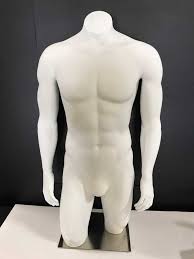
Male Mannequin With Silver Base - GA Prop Source
gapropsource.com · $36
Casper 4, Matte White Male Headless Invisible Ghos…
mannequinmode.com · $305
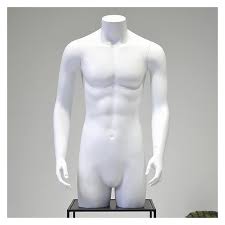
Mannequin Body Torso Male, Removable Dummy Display…
amazon.de · €784
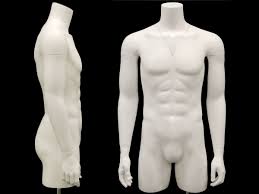
Adult Male Matte White Invisible Ghost Mannequin B…
ebay.com
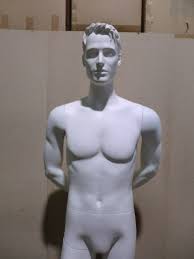
Mannequin Doll Fashion Doll Male 10971 Man Doll Ne…
ebay.com.my
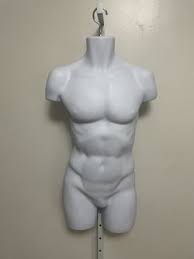
5 Piece Manniquin Set for Sale in Quincy, MA - Off…
offerup.com
Related Items
Have an antique to identify?
Get an instant AI appraisal with values, history, and market insights.
Download for iPhone