Manual Breast Pump Value Guide
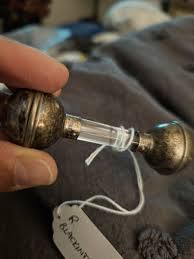
- Period
- 1880-1920
- Origin
- United States
- Materials
- Glass, metal, cork
- Category
- Breast pumps
This antique manual breast pump, originating from the United States between 1880 and 1920, is a fascinating artifact of early maternal healthcare. Featuring a signature glass collection globe and metal fittings, these devices were essential for mothers of the Victorian and Edwardian eras to manage nursing challenges or provide milk for ill infants.
What Is Manual Breast Pump Worth?
The typical price range for Manual Breast Pump is $50 - $70 based on recent sales. However, values can vary depending on the item's condition, rarity, and other factors such as:
- The structural integrity of the glass bulb, as any chips, cracks, or significant 'sick glass' clouding will reduce the value below the $50 mark.
- Completeness of the assembly, particularly the presence of the original cork and metal fittings which are frequently lost over time.
- The aesthetic condition of the metal components, where a lack of heavy corrosion or pitting helps the item reach the higher $70 valuation.
How to Identify Manual Breast Pump?
- Examine the glass bulb for a hand-blown or early molded appearance, often containing small air bubbles or slight irregularities typical of 1880-1920 glass production.
- Verify the presence of period-correct materials, specifically the combination of a glass reservoir, metal mechanical fittings, and cork seals.
- Look for the characteristic 'globe' shape of the glass collection chamber, which was the standard design for American manual pumps during this era.
History of Manual Breast Pump
Breast pumps have a long history, with early versions dating back to the 17th century. The design seen here, with a glass globe for collecting milk, became popular in the late 19th and early 20th centuries. These devices were vital for mothers who needed to express milk for various reasons, including inverted nipples, engorgement, or providing milk for premature or ill infants.
Shop Similar
Antique Hardware Open Box Sale Item Round Solid Br…
antiquehardwaresupply.com · $18
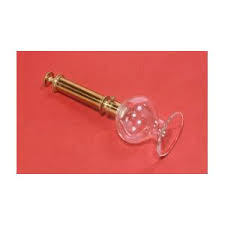
Breast Pump #3 by Science Photo Library
sciencephotogallery.com · $45
Antique Sterling Silver And Glass Baby Rattle R. B…
ebay.com · $50
Tripod Table Lamp Circa 1930 Small Antique Spanish…
etsy.com · $144
Glass Clear Antique Door Knobs & Handles for sale …
ebay.com
Women Original Vintage Umbrellas & Parasols 1900s …
il.ebay.com
Have an antique to identify?
Get an instant AI appraisal with values, history, and market insights.
Download for iPhone