Martin Bowl Back Mandolin Value Guide
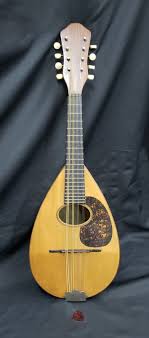
- Period
- 1900-1920
- Origin
- United States
- Materials
- Spruce, Rosewood, Ebony, Pearl, Metal
- Category
- Martin mandolin
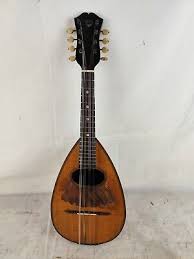
The Martin Bowl Back Mandolin, crafted by C.F. Martin & Company between 1900 and 1920, represents a pinnacle of early 20th-century American luthiery. These Neapolitan-style instruments are highly collectible due to their lute-like rounded backs and the legendary craftsmanship associated with the Martin name.
What Is Martin Bowl Back Mandolin Worth?
The typical price range for Martin Bowl Back Mandolin is $1,800 - $2,200 based on recent sales. However, values can vary depending on the item's condition, rarity, and other factors such as:
- Structural integrity of the bowl back, as the individual Rosewood ribs are prone to separation over time.
- The presence of original hardware, including the metal tailpiece and tuning machines.
- Cosmetic condition of the Spruce soundboard, specifically looking for cracks or warping near the bridge.
- Rarity of specific ornamental details like intricate Pearl purfling or high-grade Ebony components.
How to Identify Martin Bowl Back Mandolin?
- Check for the C.F. Martin & Company brand stamp, typically found on the back of the headstock or inside the soundhole.
- Examine the bowl back construction for high-quality Rosewood ribs separated by thin decorative strips.
- Verify the presence of an Ebony fingerboard and a Spruce top with authentic Pearl inlays.
- Look for the distinctive teardrop-shaped body and the original eight-string configuration.
History of Martin Bowl Back Mandolin
C.F. Martin & Company, established in 1833, is one of the oldest and most respected manufacturers of stringed instruments in the United States. While most famous for its guitars, Martin also produced high-quality mandolins, particularly in the early 20th century when the mandolin was a popular instrument. Bowl back mandolins, also known as Neapolitan mandolins, were among the earliest forms of the instrument and are characterized by their deeply rounded backs, similar to a lute, which contribute to their unique sound projection.
Shop Similar
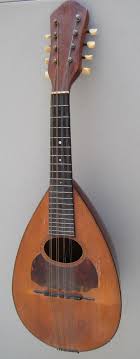
Sold at Auction: C.F. MARTIN & CO MANDOLIN BOWLBAC…
invaluable.com · $250
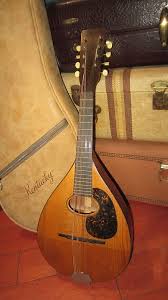
1920s SS Stewart Mandolin Natural | Reverb
reverb.com · $999
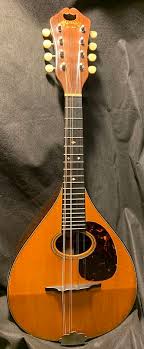
Martin Mandolin Style B Made In 1941 - Brazilian R…
reverb.com · $1799
1916 C.F. Martin Bowl Back Mandolin in Mint Condit…
ebay.com · $2274
Mandolino 4/4 Fratres Calace 1898 Napoli 曼陀林 만돌린 マ…
ebay.com
1923 C. F. Martin A Style Mandolin | Reverb
reverb.com
Related Items
Have an antique to identify?
Get an instant AI appraisal with values, history, and market insights.
Download for iPhone