Mersman Two-Tier End Table Value Guide
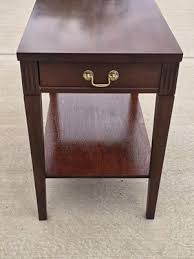
- Period
- 1950-1960
- Origin
- United States
- Materials
- Mahogany veneer, Wood, Brass
- Category
- Mersman table
The Mersman Two-Tier End Table is a quintessential piece of Americana, representing a time when Mersman Furniture produced one out of every ten tables in U.S. homes. This specific model, often part of the 25-2 series, is highly collectible for its transition from traditional Federal styling to a mass-market mid-century modern aesthetic.
What Is Mersman Two-Tier End Table Worth?
The typical price range for Mersman Two-Tier End Table is $125 - $140 based on recent sales. However, values can vary depending on the item's condition, rarity, and other factors such as:
- Condition of the mahogany veneer, as chips or water rings significantly impact the $125-$140 price range.
- Presence of the original brass hardware and the integrity of the drawer glides.
- Structural stability of the two-tier design, specifically looking for wobbles in the tapered wooden legs.
- Authenticity of the Mersman factory stamps which confirm its origin from the Ohio production line.
How to Identify Mersman Two-Tier End Table?
- Locate the stamped Mersman logo and model number, typically found on the underside of the tabletop or inside the drawer.
- Check for the signature single drawer with its original brass pull and the distinct mahogany veneer finish.
- Verify the two-tier structure which features a lower shelf supported by tapered legs characteristic of the 1950-1960 era.
- Examine the construction for the specific 25-2 series markings used by the Celina, Ohio factory.
History of Mersman Two-Tier End Table
Mersman Furniture, based in Celina, Ohio, was once known as the leading producer of tables in the United States, claiming at its peak that one out of every ten tables in American homes was a Mersman. This specific model, often part of the 25-2 series, represents the company's transition from traditional Federal styles into the mass-market mid-century modern aesthetic of the post-war era.
Shop Similar
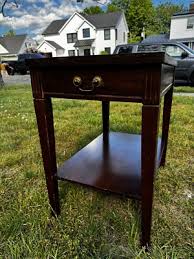
VINTAGE MERSMAN 25-2 Mahogany End Table With ...
ebay.com · $250
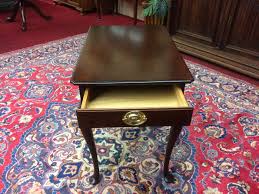
Vintage End Table, Statton Furniture
ebohemians.com · $385
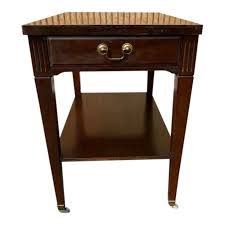
Mersman Furniture Vintage Federal Style Mahogany 2…
chairish.com · $490
Vintage Mersman Mid Century 2 Tiered Table With Dr…
ebay.com · $550
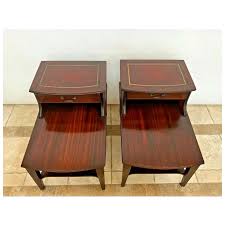
Mid-Century Barton Nightstands Pair Step Tables Dr…
rubylane.com · $2195
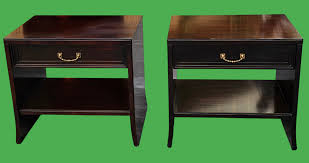
Pair of Baker Furniture Nightstands | Chairish
chairish.com · $5795
Related Items
Have an antique to identify?
Get an instant AI appraisal with values, history, and market insights.
Download for iPhone