Mexican Baja Blanket Value Guide
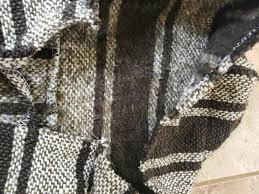
- Period
- 1970-2000
- Origin
- Mexico
- Materials
- cotton, acrylic, wool blend
- Category
- Baja blanket
Mexican Baja blankets, famously known as 'drug rugs' within 1960s and 70s counterculture, are iconic woven textiles that blend indigenous Mexican craftsmanship with bold, commercial striping. These blankets gained global collectible status through their deep association with surf culture and hippie fashion, serving as both functional throws and wearable ponchos.
What Is Mexican Baja Blanket Worth?
The typical price range for Mexican Baja Blanket is $20 - $40 based on recent sales. However, values can vary depending on the item's condition, rarity, and other factors such as:
- Material composition, with higher wool content generally commanding the top end of the $20-$40 price range.
- The vibrancy and rarity of the color palette, as unique neon or earth-tone combinations are more sought after by decorators.
- Physical condition, specifically looking for a lack of pilling, snagged threads, or thinning in the weave from heavy use.
- Size and weight, where larger, heavier throws suitable for outdoor use or automotive upholstery hold better market value.
How to Identify Mexican Baja Blanket?
- Look for a coarse, heavy weave consisting of a cotton, acrylic, and wool blend typical of the 1970-2000 era.
- Examine the fringe ends for hand-tied or authentic loom-finished edges rather than modern machine-stitched hems.
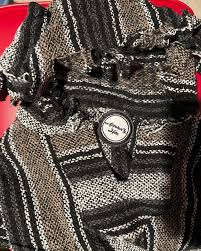
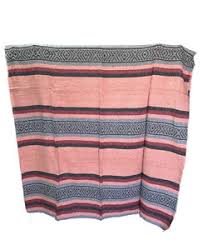
- Identify the characteristic horizontal stripe pattern which often features a thicker central band flanked by symmetrical multi-colored stripes.
- Check for a 'Made in Mexico' textile tag, though many vintage examples may have lost their paper or fabric labels over time.
History of Mexican Baja Blanket
Baja blankets, also known as Mexican rugs or drug rugs in 1960s–70s counterculture, are woven textiles originating from Mexico. They combine indigenous weaving techniques with commercial yarns and bold striping. Popularized by surfers and hippie fashion, the design has since been used for ponchos, throws, and home décor worldwide.
Shop Similar
Authentic Mexican Baja Woven Pullover Surfer Hoodi…
ebay.com · $20
1960s Vintage Kilim Rug in Beige, Brown Tribal Bag…
chairish.com · $1680
A Beautiful Swedish Vintage Wall Hanging in Flemis…
etsy.com
Lauren Ralph Lauren | Sweaters | Lauren Ralph Laur…
poshmark.com
AH | Apparently Here Clothing | “Absorb what is us…
instagram.com
raulsd21 | Flickr
flickr.com
Related Items
Have an antique to identify?
Get an instant AI appraisal with values, history, and market insights.
Download for iPhone