Mineral Value & Price Guide
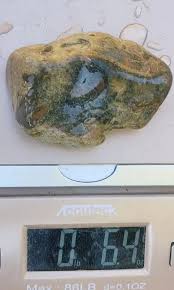
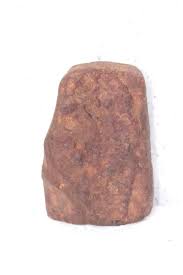
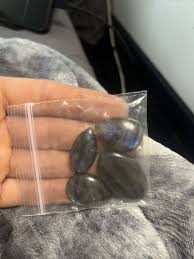
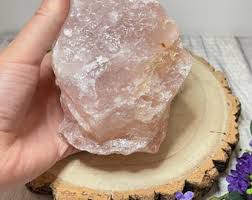
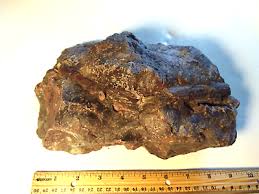
Mineral collecting is a diverse hobby that bridges the gap between geological science and aesthetic appreciation. Collectors seek out specimens ranging from raw nodules and crystalline structures to polished palm stones and spheres, valued for their unique chemical compositions and vibrant natural colors.
Price Range: $15 - $27 based on recent sales
History of Mineral
The fascination with minerals dates back to ancient civilizations, where stones like serpentine and hematite were used for both decorative ornaments and ritualistic talismans. During the Renaissance, 'Cabinets of Curiosities' became popular among the European elite, often featuring rare mineral specimens as symbols of scientific discovery and worldly knowledge. In the modern era, the hobby has evolved from strictly academic study into a global market. The rise of metaphysical interests in the late 20th century further expanded the demand for polished forms like shungite and angelite, while traditional mineralogy continues to focus on the preservation of raw, high-quality geological formations.
Value Factors for Mineral
The typical price range for Mineral is $15 - $27 based on recent sales. However, values can vary depending on the item's condition, rarity, and other factors such as:
- Crystal habit and symmetry, which determine the visual rarity of the specimen's growth pattern.
- Color saturation and uniformity, especially in sought-after minerals like deep blue afghanite or vibrant green fluorite.
- The size and weight of the specimen relative to its typical occurrence in nature.
- The presence of rare matrix material or unique mineral associations within a single piece.
Tips for Buying Mineral
- Examine specimens under a loupe to check for natural inclusions versus synthetic enhancements or glass imitations.
- Prioritize pieces with intact crystal terminations, as damage to the points significantly reduces the market value.
- Verify the locality of the find, as minerals from specific exhausted mines or rare regions carry a significant premium.
- Consider the luster and transparency of the specimen, particularly in translucent minerals like fluorite and celestite.
Items in This Collection
Have an antique to identify?
Get an instant AI appraisal with values, history, and market insights.
Download for iPhone