Mineral Specimens Value & Price Guide
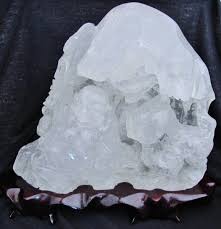
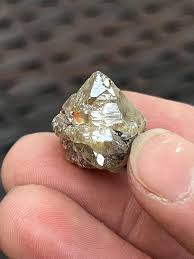
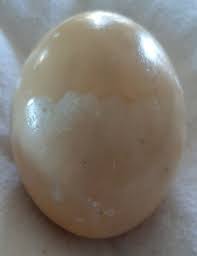
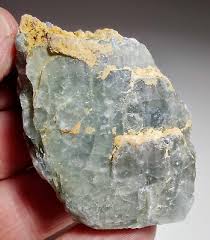
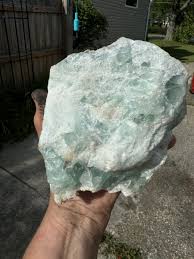
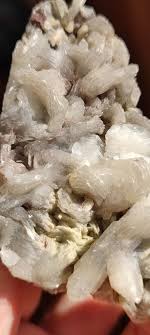
Mineral specimens are natural masterpieces of the Earth, ranging from raw crystalline structures to polished geological wonders. Collectors value these items for their chemical purity, unique crystal habits, and the millions of years required for their formation.
Price Range: $15 - $30 based on recent sales
History of Mineral Specimens
The formal collection of mineral specimens dates back to the Renaissance 'Cabinets of Curiosities,' where scholars and aristocrats displayed rare stones as symbols of scientific prestige. During the 19th-century mining boom, miners often saved 'pockets' of exceptional crystals that would have otherwise been crushed for ore, laying the foundation for the modern mineral market. Today, the hobby has evolved from a niche scientific pursuit into a global trade, with high-end specimens treated as fine art. Modern extraction techniques allow for the recovery of delicate structures like skeletal quartz and fragile pyrite clusters that were previously impossible to preserve during manual excavation.
Value Factors for Mineral Specimens
The typical price range for Mineral Specimens is $15 - $30 based on recent sales. However, values can vary depending on the item's condition, rarity, and other factors such as:
- Luster and Transparency: The clarity of the crystal and how it reflects light, especially in quartz and fluorite varieties.
- Crystal Habit and Symmetry: The rarity of the geometric formation and the presence of unique features like 'double terminations' or 'skeletal' growth.
- Color Saturation: The intensity and evenness of hues, such as the deep purples in amethyst or the vibrant greens in variscite.
- Matrix Presence: Whether the crystal is still attached to its host rock, which provides essential geological context and aesthetic balance.
Tips for Buying Mineral Specimens
- Examine the specimen for 'damage-free' terminations, as chips or breaks on crystal points significantly reduce market value.
- Verify the locality of the find, as minerals from famous or exhausted mines like Herkimer or specific Brazilian veins command higher premiums.
- Use a short-wave UV light to check for fluorescence, a hidden feature that can increase the desirability of minerals like Fluorite and Calcite.
- Distinguish between raw, lab-grown, and treated specimens to ensure you are paying for natural geological authenticity.
Items in This Collection
Have an antique to identify?
Get an instant AI appraisal with values, history, and market insights.
Download for iPhone