Missale Romanum Value Guide
- Period
- 1890-1920
- Origin
- Belgium
- Materials
- Velvet, Gold metallic thread, Silk, Leather, Paper
- Category
- Religious text
This Missale Romanum is a stunning example of late 19th and early 20th-century Belgian ecclesiastical craftsmanship, serving as the primary ritual book for the Roman Rite Mass. Its significance as a collectible lies in the ornate liturgical embroidery, where rich velvet and gold metallic threads were meticulously applied to honor the sacred nature of the text.
What Is Missale Romanum Worth?
The typical price range for Missale Romanum is $450 - $495 based on recent sales. However, values can vary depending on the item's condition, rarity, and other factors such as:
- The physical condition of the gold metallic threads, specifically looking for signs of fraying, tarnishing, or loss.
- The preservation of the velvet pile, as wear or crushing on the spine and edges can significantly impact the $450-$495 valuation.
- Completeness of the internal pages and the presence of any original silk ribbon markers or leather thumb tabs.
- The provenance and specific historical connection to Belgian ecclesiastical workshops of the turn of the century.
How to Identify Missale Romanum?
- Look for the distinctive gold-threaded embroidery featuring a central cross and radiating rays on the velvet cover.
- Verify the Belgian origin and production era, typically noted in the front matter or colophon between 1890 and 1920.
- Inspect the binding materials for a combination of high-quality velvet, silk linings, and leather structural elements.
- Confirm the text is the standard Latin Missale Romanum used for Catholic liturgical services during the pre-Vatican II era.
History of Missale Romanum
The Missale Romanum is the ritual book that contains the prayers and instructions for the celebration of the Mass in the Roman Rite. This specific example features ornate liturgical embroidery typical of late 19th and early 20th-century ecclesiastical craftsmanship, where rich materials like velvet and metallic threads were used to signify the sacred nature of the text.
Shop Similar

CSB Single-Column Personal Size Reference Bible, B…
bhpublishinggroup.com · $35
HFO: Lectionary for Masses with Children
holyfamilyonline.com · $67
Lectionary for Mass - Classic Edition | The Cathol…
catholiccompany.com · $130

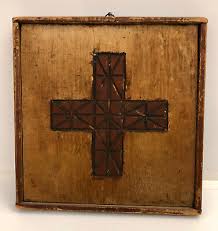
Maltese Cross
siddickens.com · $250
EPISTOLAE ET EVANGELIA TOTIUS ANNI SECUNDUM MISSAL…
abebooks.com · $499
CHECKERS BOARD antique Great folk art Double sided…
ebay.com · $540
Related Items



Have an antique to identify?
Get an instant AI appraisal with values, history, and market insights.
Download for iPhone