Moose Antler Carving Value Guide
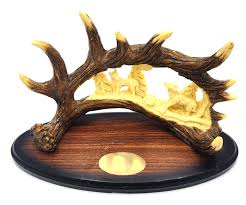
- Period
- 1980-2000
- Origin
- United States
- Materials
- Moose antler, wood, paint
- Category
- Moose antler
This moose antler carving represents a modern evolution of an ancient North American craft, blending natural shed materials with intricate wildlife artistry. Created between 1980 and 2000, these pieces are highly collectible for their unique ability to transform organic forest finds into detailed dioramas of the American wilderness.
What Is Moose Antler Carving Worth?
The typical price range for Moose Antler Carving is $250 - $350 based on recent sales. However, values can vary depending on the item's condition, rarity, and other factors such as:
- The complexity and realism of the wildlife scene, with higher detail commanding prices toward the $350 mark.
- The physical size and span of the moose antler palm used as the canvas.
- Overall condition of the material, specifically the absence of yellowing, cracking, or pest damage to the antler.
- The quality of the wood base and the stability of the attachment points.
How to Identify Moose Antler Carving?
- Examine the base of the antler for natural porous textures characteristic of genuine moose shed.
- Look for hand-carved depth in the wildlife scenes, which distinguishes artisan work from mass-produced resin imitations.
- Verify the presence of a wooden mounting base, a common feature for display pieces from the 1980-2000 era.
- Check for subtle paint applications used to highlight specific features of the carved animals or landscape.
History of Moose Antler Carving
Antler carving is a traditional art form practiced by various cultures worldwide, often incorporating themes of nature, hunting, and local fauna. Indigenous peoples in North America, particularly in regions where moose thrive, have a rich history of utilizing shed antlers for tools, ceremonial objects, and artistic expressions. Over time, these carvings evolved into intricate decorative pieces, prized for their natural beauty and the skill of the artisan. This particular piece appears to be a more modern interpretation of this ancient craft, likely created for the tourist or collectible market.
Shop Similar
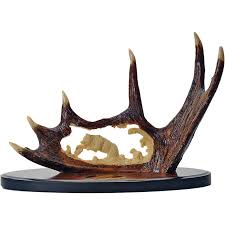
China Made 211165BE Bear Etched Bowie Fixed Blade …
knifecountryusa.com · $41
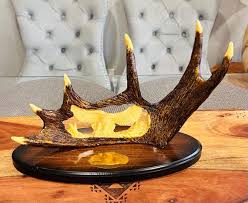
Vintage Faux Antler Eagle Knife Display: Native Am…
etsy.com · $49
Vintage ANTLER SCULPTURE Wolf Pack Pine Trees | eB…
ebay.com · $90
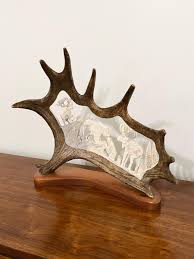
B. MERRY STUDIOS ~ Hand Carved & Polished Moose An…
estatesales.org · $371
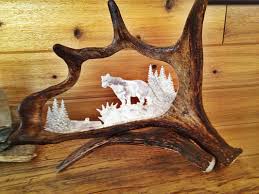
Mountain Lion Antler Carving – TetonLighting™
tetonlighting.com · $745
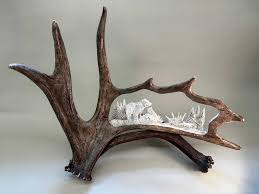
Mama Bear with Cub - Unique Antler Design
uniqueantlerdesign.com · $1378
Have an antique to identify?
Get an instant AI appraisal with values, history, and market insights.
Download for iPhone