Napoleon Bonaparte Bust Value Guide
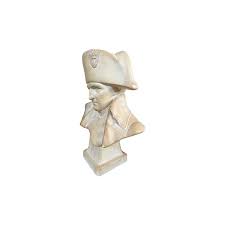
- Period
- 19th Century
- Origin
- France
- Materials
- Terracotta
- Category
- Napoleon bust
This 19th-century French terracotta bust captures the iconic silhouette of Napoleon Bonaparte, the Emperor of the French from 1804 to 1815. It serves as a significant historical artifact, representing the era's reverence for his military leadership and enduring political reforms.
What Is Napoleon Bonaparte Bust Worth?
The typical price range for Napoleon Bonaparte Bust is $300 - $360 based on recent sales. However, values can vary depending on the item's condition, rarity, and other factors such as:
- The physical condition of the terracotta, specifically the absence of major chips or structural cracks, maintains the $300-$360 value range.
- The level of detail in the military attire and the accuracy of the Emperor's likeness significantly impact collector interest.
- Provenance or evidence of 19th-century French origin can elevate the piece's desirability among historical memorabilia enthusiasts.
- Current market demand for Napoleonic era decorative arts and the popularity of the iconic bicorne hat silhouette.
How to Identify Napoleon Bonaparte Bust?
- Examine the terracotta for natural age-related patina and minor surface wear consistent with 19th-century French craftsmanship.
- Verify the presence of the classic bicorne hat and detailed military uniform characteristic of Napoleonic portraiture.
- Look for potential maker's marks or foundry stamps on the base or reverse, often found on authentic French period pieces.
- Assess the facial features for the specific realism and stoic expression typical of 1800s commemorative sculpture.
History of Napoleon Bonaparte Bust
Napoleon Bonaparte, a pivotal figure in European history, was Emperor of the French from 1804 to 1815. His military campaigns and reforms significantly impacted the continent. Busts of Napoleon became popular decorative items, especially in the 19th century, symbolizing power, leadership, and historical reverence. This particular piece captures his recognizable silhouette.
Shop Similar

Sold at Auction: Cybis Porcelain George Washington…
invaluable.com · $20

NAPOLEONE BONAPARTE terracotta bust
recuperando.com · €330
19th Century Ceramic Napoleon Bust | Chairish
chairish.com · $500
Napoleon Bust | eBay
ebay.com

Intense! This Incredible Bust of Napoleon Bonapart…
etsy.com

Napoleon Bonaparte Bust White 16 Cm ( 6,3 Inch ) -…
etsy.com
Related Items

Have an antique to identify?
Get an instant AI appraisal with values, history, and market insights.
Download for iPhone