Native American Beaded Sash Value Guide
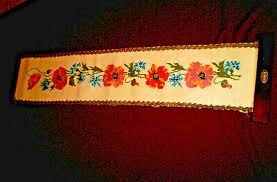
- Period
- 1900-1920
- Origin
- United States
- Materials
- Glass beads, fabric, thread
- Category
- Beaded sash
This early 20th-century Native American beaded sash represents a fusion of traditional craftsmanship and European-influenced floral aesthetics common in the Great Lakes and Northern Plains regions. Its vibrant glass beadwork and historical significance as ceremonial attire make it a highly sought-after piece for textile collectors.
What Is Native American Beaded Sash Worth?
The typical price range for Native American Beaded Sash is $500 - $600 based on recent sales. However, values can vary depending on the item's condition, rarity, and other factors such as:
- Overall condition of the beadwork, specifically the absence of 'bead loss' or loose threads within the floral pattern.
- The complexity and symmetry of the floral design, with multi-colored petals typically commanding higher prices.
- Provenance and tribal attribution, particularly if the sash can be linked to specific Great Lakes or Northeastern artisans.
- Structural integrity of the backing fabric and the preservation of the original white beaded borders.
How to Identify Native American Beaded Sash?
- Examine the background for a consistent field of vibrant blue glass beads framed by distinct white borders.
- Verify the floral motif style, which should reflect the regional transition from geometric to organic patterns seen between 1900 and 1920.
- Inspect the base fabric and thread for signs of age-appropriate wear and hand-stitched construction consistent with early 1900s techniques.
- Check for the use of period-correct seed beads, which often show slight irregularities in size compared to modern uniform beads.
History of Native American Beaded Sash
Beadwork is a significant art form among many Native American tribes, with regional variations in style and technique. Floral designs, often influenced by European contact, became prominent in the Great Lakes and Northeastern regions, later spreading to other tribes, including the Northern Plains. These sashes were historically worn as decorative elements, as part of ceremonial attire, or as functional belts.
Shop Similar
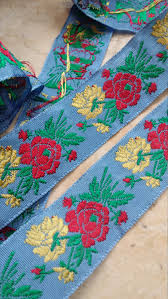
1" Vintage French Jacquard Ribbon Trim Woven With …
etsy.com · $16
1920s Handmade Hand- Embroidered Tapestrie | eBay
ebay.com · $120
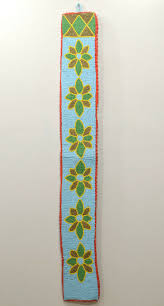
African Yoruba Tribe Beaded Belt Sash - Etsy
etsy.com · $175
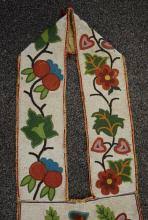
Sold at Auction: Early Native American Beaded Band…
invaluable.com · $400
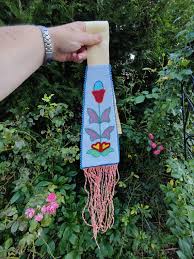
Vintage Beaded Northern Plains Style, Blackfoot Of…
etsy.com · $479
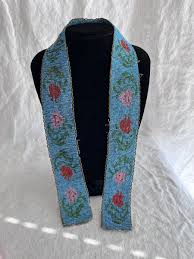
Northern Plains Indian Beadwork folk art 1900's | …
ebay.com · $550
Have an antique to identify?
Get an instant AI appraisal with values, history, and market insights.
Download for iPhone