Natural Sea Sponge Value Guide
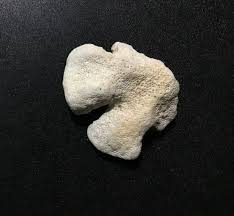
- Period
- Mid-20th Century
- Origin
- Unknown, likely coastal regions with a history of sponge harvesting such as the Mediterranean or Caribbean Sea
- Materials
- Natural sea sponge
- Category
- Sea sponge
These Mid-20th Century natural sea sponges represent a legacy of coastal harvesting from the Mediterranean to the Caribbean. Highly collectible for their organic aesthetic and superior absorbency, they serve as tactile links to ancient maritime traditions.
What Is Natural Sea Sponge Worth?
The typical price range for Natural Sea Sponge is $10 - $20 based on recent sales. However, values can vary depending on the item's condition, rarity, and other factors such as:
- Overall size and structural integrity, as larger unbroken specimens are more desirable for display.
- The specific variety of the sponge, with 'honeycomb' or 'silk' types often fetching higher prices.
- The degree of preservation, specifically the lack of brittle edges or significant material loss over time.
- Geographic origin, with sponges from famous mid-century hubs like Tarpon Springs or the Greek Isles holding more appeal.
How to Identify Natural Sea Sponge?
- Look for irregular, organic pore structures that differ from the uniform patterns found in synthetic alternatives.
- Identify the light-cream or off-white hue resulting from traditional mid-century bleaching and drying processes.
- Check for a soft, resilient texture when moistened, which is a hallmark of genuine biological sponge fibers.
- Examine the base for natural attachment points or irregular shapes indicating it was hand-harvested from the seafloor.
History of Natural Sea Sponge
Sea sponges have been utilized by humans for thousands of years. Ancient Greeks used them for bathing, padding, and even as water filters. The harvesting of natural sponges was a significant industry for many coastal communities, particularly in the Mediterranean, Caribbean, and Florida. While synthetic sponges now dominate many markets, natural sea sponges are still prized for their absorbency, softness, and unique texture.
Shop Similar
Natural Fossil New Coral Collection Antique Tabula…
ebay.com · $3
Sold at Auction: Assortment of Granite, and Fossil…
invaluable.com · $5
Bulk Coral Fossils, Surf Tumbled, Natural Coral, W…
ebay.com · $15
Vintage Star Coral From Indonesia of the Favidae F…
etsy.com · $65
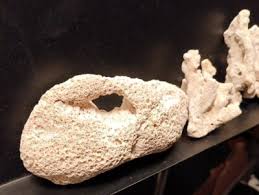
Lot Of 10 Pieces Unique Shapes And Various Types C…
ebay.com
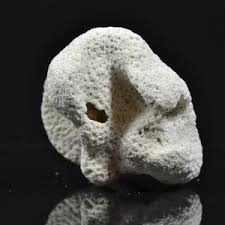
Natural Coral From 1000 Island Region North of Jak…
etsy.com
Related Items
Have an antique to identify?
Get an instant AI appraisal with values, history, and market insights.
Download for iPhone