Natural Specimen Value & Price Guide
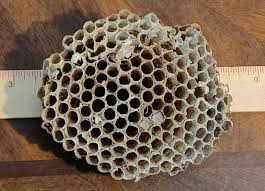
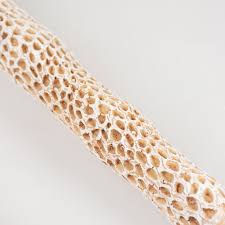
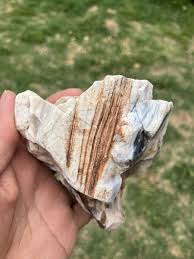
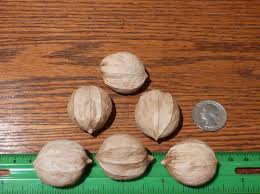
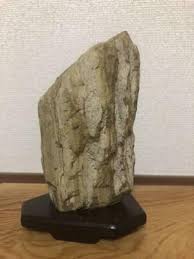
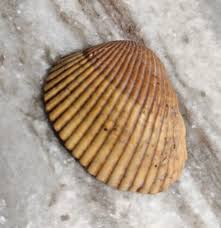
Natural specimen collectibles encompass a diverse range of biological and geological wonders, from ancient petrified wood to contemporary marine life skeletons. These items serve as tangible connections to the natural world, appealing to scientists, decorators, and history enthusiasts alike.
Price Range: $45 - $60 based on recent sales
History of Natural Specimen
The tradition of collecting natural specimens dates back to the 'Cabinets of Curiosities' popular among European aristocrats during the Renaissance. These private collections laid the groundwork for modern natural history museums, as explorers sought to categorize the flora, fauna, and minerals of the New World. Over centuries, the hobby evolved from a pursuit of the elite into a global market. Today, the field spans millions of years of history, ranging from Oligocene fossils to contemporary exoskeletons, reflecting a continued human fascination with the complexity and beauty of Earth's biological diversity.
Value Factors for Natural Specimen
The typical price range for Natural Specimen is $45 - $60 based on recent sales. However, values can vary depending on the item's condition, rarity, and other factors such as:
- Rarity and Species Status: Specimens from endangered or difficult-to-harvest species, such as Narwhal tusks, command premium prices.
- Condition and Preservation: The physical state of delicate items like rattlesnake rattles or insect nests determines their marketability.
- Aesthetic Appeal: Visual factors such as the iridescence of opalized wood or the intricate patterns of brain coral drive decorative demand.
- Age and Geological Significance: The epoch of origin, such as the 200-million-year span of petrified wood, adds historical weight to the valuation.
Tips for Buying Natural Specimen
- Verify the legal status of biological items, as species like Narwhals or specific migratory birds are subject to strict CITES and federal regulations.
- Inspect for structural integrity in fragile items like wasp nests or coral skeletons, as these can degrade quickly if not preserved correctly.
- Look for specimens with clear provenance or locality data, which significantly enhances the scientific and resale value of the piece.
- Check for signs of artificial enhancement, such as dyes in seashells or synthetic stabilizers in fossils, which can impact authenticity.
Items in This Collection
Have an antique to identify?
Get an instant AI appraisal with values, history, and market insights.
Download for iPhone