Nimslo 3D Camera Value Guide
- Period
- 1980-1985
- Origin
- United States
- Materials
- Plastic, glass, metal
- Category
- Nimslo camera
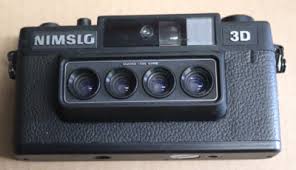
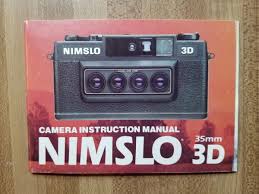
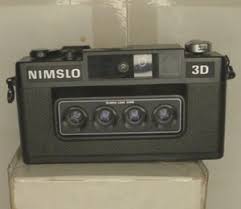
The Nimslo 3D Camera is a cult classic from the early 1980s, celebrated for its innovative quadra-lens system that captures four simultaneous images on 35mm film. It represents a significant historical attempt by Nimslo Technology to bring glass-free stereoscopic photography to the mass market through specialized lenticular printing.
What Is Nimslo 3D Camera Worth?
The typical price range for Nimslo 3D Camera is $150 - $200 based on recent sales. However, values can vary depending on the item's condition, rarity, and other factors such as:
- Functional condition of the electronic shutter and light meter, which are essential for the $150-$200 price range.
- Presence of the original box, manual, or the dedicated Nimslo Opti-Lite flash unit.
- Lens clarity and the absence of fungus or haze across all four glass elements.
- The current demand within the analog photography community for creating 'wiggle gram' digital animations.
How to Identify Nimslo 3D Camera?
- Verify the presence of the signature four-lens 'quadra' array on the front of the camera body.
- Check for the 'Nimslo 3D' branding typically located on the top plate or front facade.
- Ensure the battery compartment is clean, as these units require four LR44 or SR44 cells to operate the electronic shutter.
- Inspect the build materials for the specific 1980-1985 era plastic and metal composite construction.
History of Nimslo 3D Camera
The Nimslo 3D camera was introduced in 1980 by Nimslo Technology. It was one of the more successful attempts at bringing 3D photography to the mass market. The camera used four lenses to capture slightly different perspectives of a scene, which could then be processed into lenticular prints that displayed a 3D effect without the need for special glasses. Despite its innovative technology and initial popularity, the company faced challenges with high production costs and the specialized printing process, leading to its eventual decline in the mid-1980s. Today, it remains a cult classic among photography enthusiasts interested in stereoscopy and analog photography.
Shop Similar
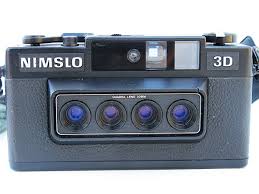
black NIMSLO 3D 35mm camera for lenticular prints …
ebay.it · €17
VINTAGE NIMSLO 3D QUAD QUADRA LENS 35mm FILM CAMER…
ebay.com · $135
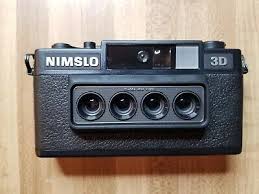
NOS Vintage Nimslo 3D Quadra Lens 35mm Film Camera…
ebay.com · $350
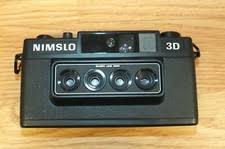
Nimslo Vintage Cameras for sale | eBay
ebay.com
NOS Vintage Nimslo 3D Quadra Lens 35mm Film Camera…
ebay.com.my
The Cats Vintage Toy Box | eBay Stores
ebay.com
Related Items
Have an antique to identify?
Get an instant AI appraisal with values, history, and market insights.
Download for iPhone