Novelty Clock Value & Price Guide
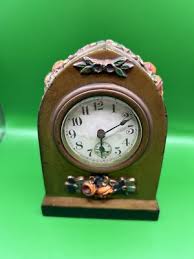




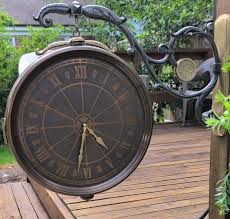
Novelty clocks are more than just timekeepers; they are whimsical pieces of art that reflect the cultural trends and technological innovations of their era. From mid-century 'vomit' clocks to animated pop culture icons, these collectibles prioritize unique aesthetics and clever mechanics over traditional horological precision.
Price Range: $30 - $60 based on recent sales
History of Novelty Clock
The history of novelty clocks spans from the early 20th-century Art Deco movement, which produced stylized airplane and geometric desk clocks, to the mass-produced kitsch of the late 1900s. During the 1950s and 60s, companies like Lanshire popularized the use of unconventional materials like 'vomit' resin and lucite, turning functional household items into bold conversation pieces. By the 1980s and 90s, the market shifted toward surrealist designs, such as the Verichron melting clock inspired by Salvador Dalí, and licensed character clocks featuring icons like Elvis Presley. These items were often sold as affordable gifts or souvenirs, making them widely accessible today for nostalgic collectors.
Value Factors for Novelty Clock
The typical price range for Novelty Clock is $30 - $60 based on recent sales. However, values can vary depending on the item's condition, rarity, and other factors such as:
- Mechanical complexity, such as moving parts, light-up features, or synchronized sound effects.
- The condition of the exterior housing, especially for fragile materials like vintage resin, glass, or painted metal.
- Rarity and niche appeal, where specific sub-genres like 'ugly' mid-century decor or Art Deco aviation themes command higher prices.
- The presence of original packaging and documentation, which is particularly valuable for pop culture and limited edition releases.
Tips for Buying Novelty Clock
- Test any animated or musical components, such as the pendulum on an Elvis clock or the figures in a Swiss weather house, as these are prone to mechanical failure.
- Inspect the casing material for cracks or discoloration, particularly in mid-century resin or early plastic models like those from Lanshire.
- Verify if the movement is original or has been replaced with a modern quartz battery motor, which can significantly impact the value of Art Deco or vintage pieces.
- Check for battery corrosion in the compartments of 1970s through 1990s models, as leaked acid can destroy the internal circuitry.
Items in This Collection
Have an antique to identify?
Get an instant AI appraisal with values, history, and market insights.
Download for iPhone