Octagonal Wall Mirror Value Guide
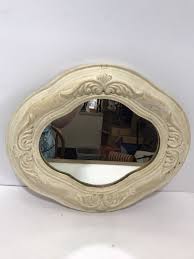
- Period
- 1980-2000
- Origin
- United States
- Materials
- Wood, glass, gesso, paint
- Category
- Octagonal mirror
This octagonal wall mirror, produced in the United States between 1980 and 2000, is a prime example of the late 20th-century 'shabby chic' movement. It is highly collectible for its ability to blend classical mid-century decorative motifs with a rustic, intentionally aged aesthetic.
What Is Octagonal Wall Mirror Worth?
The typical price range for Octagonal Wall Mirror is $40 - $60 based on recent sales. However, values can vary depending on the item's condition, rarity, and other factors such as:
- The condition of the ornate gesso elements, as chipping or loss of detail can decrease the $40-$60 valuation.
- The integrity of the distressed white paint; original factory distressing is preferred over later amateur repainting.
- The clarity of the glass, ensuring there are no modern scratches or significant silvering loss.
- Market demand for 'shabby chic' and rustic home decor, which drives the consistent pricing for these mass-produced pieces.
How to Identify Octagonal Wall Mirror?
- Examine the frame for a combination of wood and gesso construction typical of late 20th-century American manufacturing.
- Look for the specific octagonal geometry paired with ornate, raised decorative elements under the paint.
- Check the reverse side for signs of mass-production assembly used to emulate handcrafted antique styles.
- Identify the distressed white finish, which was applied to give the piece an immediate vintage appearance.
History of Octagonal Wall Mirror
Octagonal mirrors have been a popular decorative item for centuries, with styles evolving through different eras. This particular mirror appears to draw inspiration from early to mid-20th century decorative arts, blending classical elements with a more rustic aesthetic that became popular in later periods. The distressed finish suggests a deliberate attempt to give it an antique or shabby chic appearance, which became fashionable in the late 20th and early 21st centuries. These mirrors were often mass-produced to emulate more expensive, handcrafted pieces, making them accessible decorative items for many homes.
Shop Similar
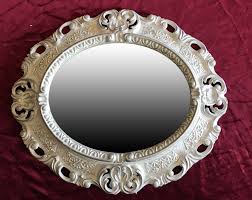
Wall Mirror White Silver Oval 45x38 Baroque Antiqu…
ebay.com · £22
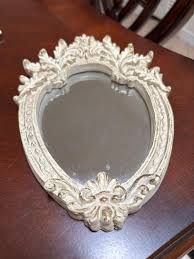
Vintage Art Nouveau White Shaby Chic Mirror, Mid C…
etsy.com · $25
Vintage Wood Composition Oval Mirror 14" x 12" Art…
ebay.com · $33
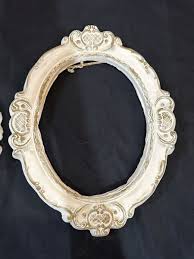
Pair Vintage Gold White Oval Chalkware Wall Frames…
ebay.com · $94
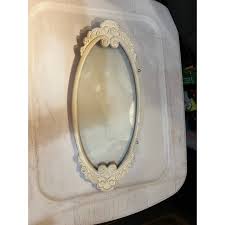
Antique Victorian Art Nouveau Cast Iron Oval Frame…
chairish.com · $122
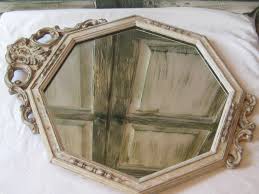
Antique Wall Mirror, Octagon Eight Sided, Solid Wo…
etsy.com
Related Items
Have an antique to identify?
Get an instant AI appraisal with values, history, and market insights.
Download for iPhone