Orthodox Icon of the Resurrection Value Guide
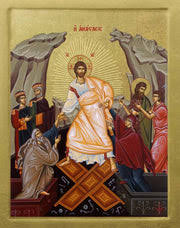
- Period
- 1990-2010
- Origin
- Greece
- Materials
- Wood,lithograph print,varnish,gold leaf accents
- Category
- Religious icons
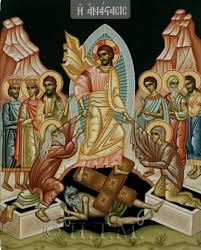
This contemporary Greek icon depicts the Anastasis, the traditional Orthodox representation of Christ's descent into Hades to liberate Adam and Eve. Created between 1990 and 2010, this piece serves as a high-quality devotional object that adheres to strict Byzantine iconographic canons while remaining accessible to collectors.
What Is Orthodox Icon of the Resurrection Worth?
The typical price range for Orthodox Icon of the Resurrection is $45 - $50 based on recent sales. However, values can vary depending on the item's condition, rarity, and other factors such as:
- Condition of the wood panel, specifically looking for any warping or splitting of the base.
- The integrity of the gold leaf accents and whether they have suffered from rubbing or oxidation.
- Clarity of the lithograph print and the absence of fading from UV exposure or moisture damage.
- Presence of original certification stickers or workshop marks from the Greek manufacturer.
How to Identify Orthodox Icon of the Resurrection?
- Look for the 'Made in Greece' label or stamp on the reverse side of the wooden panel.
- Identify the lithograph technique, which features a smooth printed surface often enhanced by hand-applied gold leaf accents.
- Check for the traditional Byzantine composition where Christ stands on the shattered gates of Hell, pulling figures from tombs.
- Examine the protective varnish layer which gives the modern wood-mounted print its characteristic sheen and durability.
History of Orthodox Icon of the Resurrection
The Resurrection icon, known in the Orthodox tradition as the Anastasis, depicts Christ descending into Hades to shatter the gates of death and liberate Adam and Eve. This specific piece is a high-quality modern lithograph mounted on wood, a technique used to make sacred art accessible to laypeople for home prayer corners. It follows centuries-old iconographic canons that use symbolic colors and positions rather than realistic perspective.
Shop Similar
Orthodox Holy Icons - The Resurrection | Athonite
athoniteusa.com · $135
Oh My Goodness, This is All Real | Axia Women
axiawomen.org
Pascha | Dr. Pat's Orthodox Super Sunday School Cu…
orthodoxsundayschool.org
Resurrection Icon Card Three from Holy Nativity Co…
holynativityconvent.com
Great and Holy Pascha : r/OrthodoxChristianity
reddit.com
The Resurrection Canon of Pascha - YouTube
youtube.com
Related Items
Have an antique to identify?
Get an instant AI appraisal with values, history, and market insights.
Download for iPhone