Paisley Wool Shawl Value Guide
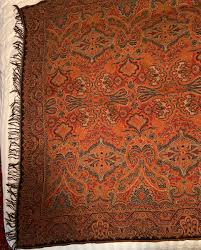
- Period
- 1850-1880
- Origin
- India
- Materials
- Wool, natural dyes
- Category
- Paisley shawl
This mid-to-late 19th-century Indian wool shawl represents the height of Victorian fashion, showcasing the iconic buta or teardrop motif. These hand-loomed textiles are highly collectible for their complex weave structures and the historical significance of the Paisley design's journey from Persia to European high society.
What Is Paisley Wool Shawl Worth?
The typical price range for Paisley Wool Shawl is $250 - $350 based on recent sales. However, values can vary depending on the item's condition, rarity, and other factors such as:
- Overall condition, specifically the absence of moth holes, fraying, or thinning in the delicate wool center.
- The complexity and density of the floral and traditional patterns throughout the shawl's field.
- Vibrancy and preservation of the original natural dyes, with minimal fading from light exposure.
- The size of the shawl, with larger, wrap-style examples typically commanding higher prices in the $250-$350 range.
How to Identify Paisley Wool Shawl?
- Examine the fringe and edges for hand-rolled finishes or integrated weaving rather than modern machine stitching.
- Look for the presence of natural dyes which produce deep, muted reds, blues, and ochres that do not have the harsh brightness of synthetic pigments.
- Verify the intricate curvilinear 'buta' patterns are woven into the fabric structure rather than printed on the surface.
- Check for the fine texture of high-quality wool, which should feel soft and lightweight despite the dense pattern work.
History of Paisley Wool Shawl
Paisley shawls, with their distinctive curvilinear teardrop motif, originated in Persia and India. They gained immense popularity in Europe, particularly in Scotland, during the 19th century. The town of Paisley in Scotland became a major production center, lending its name to the iconic pattern. These shawls were highly fashionable and signified status, often worn by royalty and the upper classes.
Shop Similar
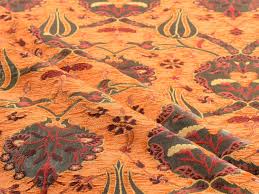
Floral Tulip Bohemian Boho Tapestry Ottoman Turkis…
etsy.com · $0.12
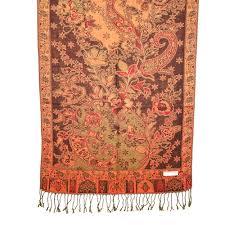
Burnt Orange Great Floral Paisley Pashmina Scarf -…
paykocimports.com · $15
Vintage French Wool Paisley Warm Hues of Red, Oran…
ebay.com · $95
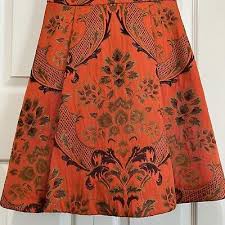
Alice + Olivia Mollie Fit & Flare Brocade Dress St…
ebay.com · $145
ECARPETGALLERY Hand-knotted Antalya Vintage Dark C…
bedbathandbeyond.com · $2015
Chloe & Olivia Home Overdyed Red 8 ft. x 8 ft. Sol…
homedepot.com · $2303
Related Items
Have an antique to identify?
Get an instant AI appraisal with values, history, and market insights.
Download for iPhone