Paleontology Value & Price Guide
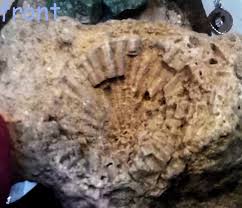
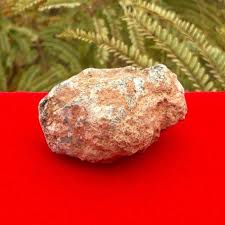
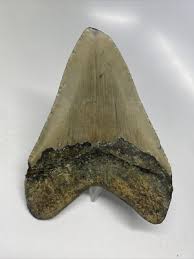
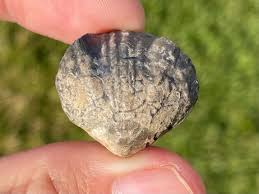
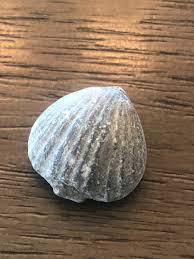
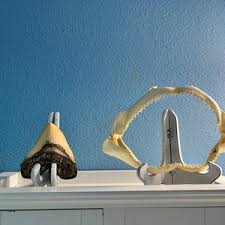
Paleontology collectibles offer a unique opportunity to own a tangible piece of Earth's ancient history, ranging from prehistoric marine life to apex predators. This diverse field includes everything from common invertebrate fossils like brachiopods to rare, museum-quality specimens such as dinosaur eggs and Smilodon skulls.
Price Range: $50 - $120 based on recent sales
History of Paleontology
The collection of fossils dates back to antiquity, where they were often viewed as mythological curiosities or 'thunderstones.' However, the formal hobby and scientific study of paleontology flourished during the 19th-century 'Bone Wars,' a period of intense fossil hunting in the American West that sparked global public fascination with prehistoric life. Over the decades, the market has evolved from a niche scientific pursuit into a robust global trade, with major auction houses now featuring significant specimens alongside fine art. Today, the field balances the interests of private collectors with the needs of academic researchers, ensuring that significant discoveries are preserved for future generations while allowing enthusiasts to maintain personal connections to the deep past.
Value Factors for Paleontology
The typical price range for Paleontology is $50 - $120 based on recent sales. However, values can vary depending on the item's condition, rarity, and other factors such as:
- Rarity of the species, with vertebrate fossils generally commanding much higher prices than common invertebrates like bivalves or gastropods.
- Completeness and preservation quality, where fully articulated skeletons or specimens with intact enamel and minimal weathering fetch premium values.
- Size and aesthetic appeal, particularly for display-ready items like large Megalodon teeth or polished ammonite fossils.
- Geological provenance and age, as specimens from famous formations or specific epochs like the Cretaceous or Jurassic often carry higher prestige.
Tips for Buying Paleontology
- Verify the authenticity of high-value items like dinosaur eggs and Smilodon skulls through reputable paleontological documentation or expert appraisal.
- Examine the level of restoration or 'enhancement' on a specimen, as excessive artificial reconstruction can significantly decrease the scientific and market value.
- Ensure the fossil was legally collected and exported according to the laws of its country of origin, such as the strict regulations governing Mongolian or Chinese specimens.
- Consider the preservation of fine details, such as the serrations on a Megalodon tooth or the delicate sutures on an ammonite shell, which indicate a higher quality find.
Items in This Collection
- Pecten Fossil
- Fossilized Dinosaur Egg
- Megalodon Shark Tooth
- Fossil Brachiopod
- Brachiopod Fossil
- Fossil Megalodon Tooth
- Fossilized Coprolite
- Fossilized Bivalve
- Fossil Fish
- Bivalve Mollusk Fossil
- Smilodon Skull
- Dinosaur Bone Fossil
- Fossil Echinoid
- Dinosaur Coprolite
- Dinosaur Gastrolith
- Gryphaea Fossil
- Fossilized Conch Shell
- Stromatolite Fossil
- Fossilized Bison Tooth
- Nautiloid Fossil
Have an antique to identify?
Get an instant AI appraisal with values, history, and market insights.
Download for iPhone