Palestinian Thobe Dress Value Guide
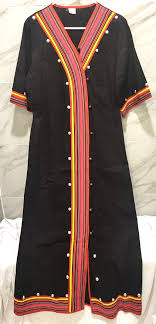
- Period
- 1960-1980
- Origin
- Palestine
- Materials
- Cotton, velvet, silk thread, metallic thread
- Category
- Palestinian dress
This Palestinian Thobe from the 1960-1980 era is a profound symbol of cultural identity, featuring intricate hand-stitched tatreez patterns on a black base. These garments are highly collectible as they represent specific village histories and served as a form of visual resistance and preservation following the Nakba.
What Is Palestinian Thobe Dress Worth?
The typical price range for Palestinian Thobe Dress is $300 - $400 based on recent sales. However, values can vary depending on the item's condition, rarity, and other factors such as:
- The complexity and density of the hand-stitched tatreez embroidery across the chest, sleeves, and side panels.
- The physical condition of the silk and metallic threads, specifically looking for fraying or fading.
- The rarity of the specific village patterns represented, which can significantly increase historical value.
- The preservation of the base materials, including the cotton and velvet, free from significant staining or structural damage.
How to Identify Palestinian Thobe Dress?
- Look for traditional tatreez cross-stitch patterns executed in silk or metallic thread on cotton or velvet fabrics.
- Examine the specific geometric motifs which traditionally indicate the wearer's geographic origin and social status.
- Check for the characteristic construction of the 1960-1980 period, often featuring a mix of hand-embroidery and period-specific fabric weights.
- Verify the presence of rich red accents, a hallmark of classic Palestinian embroidery palettes.
History of Palestinian Thobe Dress
The thobe is a traditional dress deeply rooted in Palestinian heritage, serving as a powerful symbol of identity and culture. Each village traditionally had its own distinct embroidery patterns, colors, and cuts, which allowed for the identification of a woman's geographic origin, social status, and even marital status. The art of tatreez, the embroidery technique used on these dresses, has been passed down through generations, with mothers teaching their daughters. During significant periods of Palestinian history, particularly after the Nakba in 1948, the thobe became an even more potent symbol of resistance and a way to preserve cultural identity in the face of displacement. While modern fashion has introduced variations, the traditional thobe remains a cherished garment for special occasions, celebrations, and as a representation of Palestinian pride.
Shop Similar
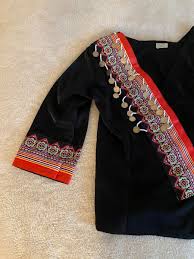
Traditional Hmong Clothing with Coins Size 40 | eB…
ebay.ca · $30
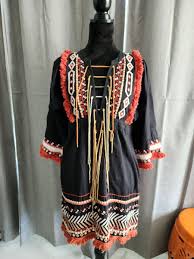
Rachel Zoe Bianca Mini Embroided Tassels Ethnic Bo…
ebay.com · $60
Vintage 1970s Ethnic Long Black Dress Multicolored…
ebay.com · $94
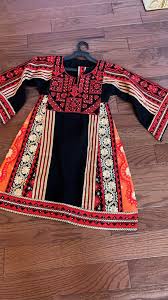
Kids/ Teen Embroidery Tatreez Majdalawi – ABAYATMU…
abayatmuna.com · $250
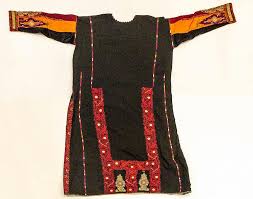
Sold at Auction: Palestinian Thobe dress
invaluable.com · $300
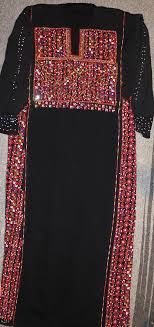
Handmade Embroidered Tatreez Thobe Arabic Palestin…
ebay.com · $499
Have an antique to identify?
Get an instant AI appraisal with values, history, and market insights.
Download for iPhone