Pennsylvania Dutch Blanket Chest Value Guide
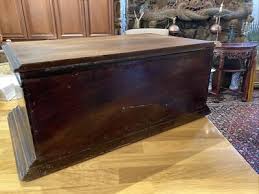
- Period
- 1780-1840
- Origin
- United States
- Materials
- Pine, various pigments
- Category
- Pennsylvania dutch folk art
These 18th and 19th-century dower chests represent the pinnacle of German-American folk art, serving as both functional storage and symbolic marriage gifts. Crafted primarily from pine between 1780 and 1840, they are highly sought after for their vibrant hand-painted iconography and historical connection to Pennsylvania's immigrant communities.
What Is Pennsylvania Dutch Blanket Chest Worth?
The typical price range for Pennsylvania Dutch Blanket Chest is $750 - $850 based on recent sales. However, values can vary depending on the item's condition, rarity, and other factors such as:
- The preservation of original hand-painted folk art motifs, as over-cleaning or repainting significantly reduces market value.
- The presence of specific symbolic imagery like hearts or birds, which are more desirable to collectors than plain geometric designs.
- Overall structural integrity and the presence of original interior features like a 'till' or small lidded compartment.
- The condition of the pine wood, including the absence of modern repairs or replaced hardware.
How to Identify Pennsylvania Dutch Blanket Chest?
- Look for traditional hand-painted motifs including tulips, hearts, birds, and geometric patterns characteristic of Pennsylvania Dutch culture.
- Examine the construction for period-correct materials, specifically pine wood and original iron hardware like strap hinges.
- Check for signs of authentic 18th to mid-19th-century joinery, such as hand-cut dovetails on the chest corners.
- Verify the presence of original pigments, which should show natural age-related wear and a mellowed patina.
History of Pennsylvania Dutch Blanket Chest
Pennsylvania Dutch blanket chests, often referred to as 'dower chests' or 'hope chests,' were traditionally crafted by German immigrants and their descendants in Pennsylvania from the 18th to the mid-19th century. These chests were used to store linens, clothing, and other valuable household goods, and were frequently given to young women as they prepared for marriage, filled with items for their new home. The distinctive hand-painted decorations, featuring tulips, hearts, birds, and geometric patterns, reflect the rich folk art traditions of the Pennsylvania Dutch culture, symbolizing prosperity, love, and fertility.
Shop Similar
Antique/vintage hope chest 32” x 16.5” x 21.5” tal…
lildustyonline.com · $2
Lot - Antique Blanket Chest
bssauction.com · $50
Early Bespaq / Fantastic Merchandise Leather Toppe…
etsy.com · $67
Stout-Smith Trust Antique Cabinet Trunk Chest Maho…
ebay.com · $125
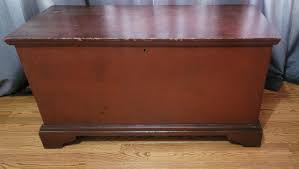
Antique Blanket Chest Storage Trunk Coffee Table C…
etsy.com · $899
Antique Blanket Chest Storage Trunk Coffee Table c…
chairish.com · $899
Related Items

Have an antique to identify?
Get an instant AI appraisal with values, history, and market insights.
Download for iPhone