Persian Area Rug Value Guide
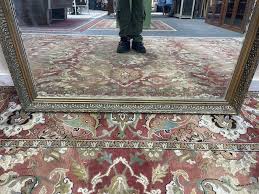
- Period
- 1940-1960
- Origin
- Iran
- Materials
- Wool, Cotton
- Category
- Persian rug
This mid-century Persian area rug represents the peak of Iranian hand-knotted craftsmanship from the 1940-1960 era. Its intricate central medallion and floral motifs in classic red, cream, and blue tones make it a highly desirable heirloom piece for collectors of traditional textiles.
What Is Persian Area Rug Worth?
The typical price range for Persian Area Rug is $800 - $1,200 based on recent sales. However, values can vary depending on the item's condition, rarity, and other factors such as:
- Overall condition of the wool pile, specifically looking for areas of low wear or 'foundation show' that can decrease value.
- The complexity and symmetry of the central medallion and surrounding floral border patterns.
- Knot density, where a higher number of knots per square inch significantly increases the market price toward the $1200 range.
- The vibrancy and preservation of the original red, cream, and blue color palette against sun fading.
How to Identify Persian Area Rug?
- Examine the underside for slight irregularities in the hand-knotted weave, which distinguishes it from machine-made imitations.
- Verify the material composition of a wool pile on a cotton foundation, typical of mid-20th century Iranian production.
- Look for the characteristic 'abrash' or subtle color variations within the red and blue dyes, indicating natural or period-specific dye lots.
- Check the fringe construction to ensure it is an extension of the rug's warp threads rather than sewn on separately.
History of Persian Area Rug
Persian rugs are renowned for their intricate designs, rich colors, and exceptional craftsmanship, with a history spanning thousands of years. Originating in ancient Persia, now Iran, these rugs were traditionally hand-knotted by skilled artisans, often taking months or even years to complete. Each region and tribe developed unique patterns and motifs, telling stories or depicting aspects of nature, religion, and daily life. They served not only as floor coverings but also as valuable assets, symbols of status, and cherished heirlooms, often passed down through generations. The artistry and labor involved have made Persian rugs highly sought after globally for their enduring beauty and quality.
Shop Similar
Empire Style Gilded Wood Mirror | Chairish
chairish.com · $873
Rectangle Art Deco Persian Antique Rugs & Carpets …
ebay.com
Red Persian Style Area Rug: Vintage Boho-chic Carp…
etsy.com
Antique Walnut Dining Table | EstateSales.org
estatesales.org
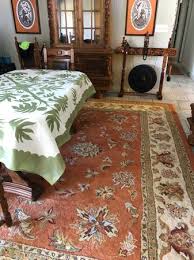
Area Rug Large Beautiful Rug - household items - b…
honolulu.craigslist.org
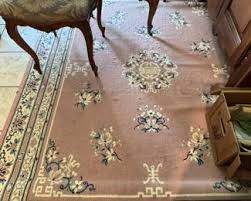
THREE DAY PACKED PACKED PACKED ROGERS ESTATE SALE …
estatesales.net
Related Items
Have an antique to identify?
Get an instant AI appraisal with values, history, and market insights.
Download for iPhone