Pietra Dura Plaque Value Guide
- Period
- 19th Century
- Origin
- Italy
- Materials
- Various polished hardstones, marble backing
- Category
- Pietra dura art
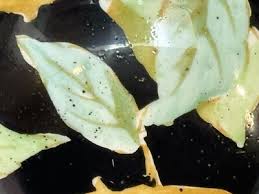
This 19th-century Italian Pietra Dura plaque is a masterclass in the 'hard stone' technique perfected in Florence. Featuring a delicate dragonfly amidst foliage, it represents the pinnacle of lapidary art where natural stone colors are used to create a seamless, painterly image.
What Is Pietra Dura Plaque Worth?
The typical price range for Pietra Dura Plaque is $1,000 - $1,200 based on recent sales. However, values can vary depending on the item's condition, rarity, and other factors such as:
- The complexity of the dragonfly's anatomy and the variety of colored stones used significantly impact the $1,000-$1,200 valuation.
- Condition of the inlay, specifically looking for any missing stone 'tesserae' or hairline cracks in the marble base.
- Provenance linking the piece to specific Florentine workshops or 19th-century Grand Tour collections.
- The vibrancy and rarity of the specific hardstones chosen for the foliage and insect wings.
How to Identify Pietra Dura Plaque?
- Examine the seams between stones; authentic Pietra Dura features hair-thin, nearly invisible joints without visible filler.
- Verify the backing material is solid marble or slate, typical of 19th-century Florentine craftsmanship.
- Look for the use of semi-precious hardstones like lapis lazuli, malachite, or agate rather than painted glass or synthetic resins.
- Check for a slight surface undulation when viewed at an angle, indicating hand-polished natural stone.
History of Pietra Dura Plaque
Pietra Dura, meaning 'hard stone' in Italian, is an ancient art form that originated in Florence, Italy, during the 16th century. It involves meticulously cutting and fitting together highly polished, colored stones to create intricate images. This technique was favored by the Medici family and quickly became a symbol of luxury and artistic skill, adorning furniture, tabletops, and decorative panels across Europe.
Shop Similar
Vintage Tin Litho Box Basket Double Swing Handle S…
etsy.com · $40
Tuscan Large Floral Pattern on Black Fine Bone Chi…
ebay.com · $62
1970s Sandoval Calla Lily Round Mirror | Chairish
chairish.com · $375
Barbara (Oval canvas) by Karenina Fabrizzi | Buy A…
riseart.com · $605
Reading the Tea Leaves by Aaron Laux (Art Glass & …
artfulhome.com · $5700
2' black Marble round Dining Coffee corner Center …
ebay.com
Have an antique to identify?
Get an instant AI appraisal with values, history, and market insights.
Download for iPhone