Pink Depression Glass Plate Value Guide
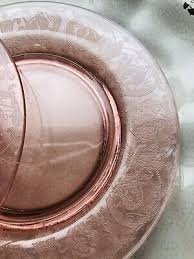
- Period
- 1930-1940
- Origin
- United States
- Materials
- Glass
- Category
- Depression glass
This Pink Depression Glass luncheon plate represents a resilient era of American manufacturing, produced between 1930 and 1940. These pieces are highly collectible today because they were originally distributed as affordable premiums in cereal boxes and movie theaters to brighten homes during the Great Depression.
What Is Pink Depression Glass Plate Worth?
The typical price range for Pink Depression Glass Plate is $20 - $30 based on recent sales. However, values can vary depending on the item's condition, rarity, and other factors such as:
- Condition is paramount; the presence of chips, cracks, or heavy utensil scratches will significantly lower the $20-$30 valuation.
- The complexity and rarity of the specific etched floral pattern can drive collector interest and price.
- Clarity of the pink glass, as pieces with 'sick' or cloudy glass from dishwasher damage are less desirable.
- Manufacturer attribution to well-known firms like Indiana Glass or Macbeth-Evans can stabilize market value.
How to Identify Pink Depression Glass Plate?
- Check for the characteristic translucent pink hue consistent with 1930s manufacturing by companies like Indiana Glass or Macbeth-Evans.
- Examine the surface for intricate etched floral patterns which were common decorative motifs of the era.
- Look for small bubbles or slight mold marks within the glass, which are typical indicators of mass-produced depression-era glassware.
- Verify the luncheon plate diameter, which typically measures between 8 and 9 inches.
History of Pink Depression Glass Plate
Depression glass, typically translucent or transparent glassware in various colors, was mass-produced in the United States from the 1920s to the 1940s. It gained popularity during the Great Depression, often given away as premiums with food purchases, at movie theaters, or in cereal boxes, making it widely accessible. The affordability and decorative nature of these pieces provided a small bit of cheer during difficult economic times. Pink was one of the most popular colors, and many different patterns were produced by various manufacturers, including Indiana Glass and Macbeth-Evans. These pieces are now highly collectible.
Shop Similar
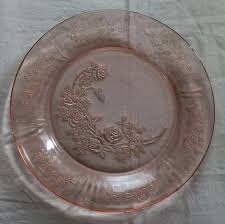
federal glass | Dining | Vintage Pink Depression G…
poshmark.com · $20
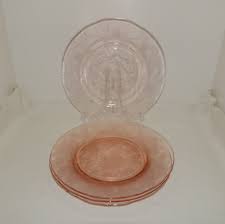
Macbeth Evans Dogwood Pink Depression Glass 8" Lun…
ebay.com · $22
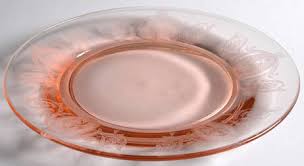
Classic Pink (Stem 15024, Pink Etched) Luncheon Pl…
replacements.com · $30
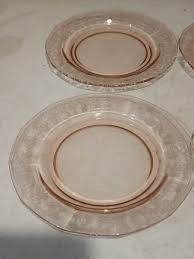
4- FOSTORIA VERSAILLES PINK DEPRESSION GLASS 6" VI…
ebay.com · $40
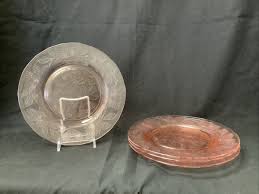
Vtg. 1929-1932 Macbeth-Evans Dogwood Pink Depressi…
ebay.com · $53
1920's Art Deco Central Glass Balda Pink 7.5 Lunch…
ebay.com · $80
Related Items
Have an antique to identify?
Get an instant AI appraisal with values, history, and market insights.
Download for iPhone