Pitcher Value & Price Guide
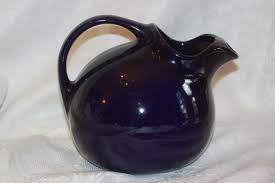
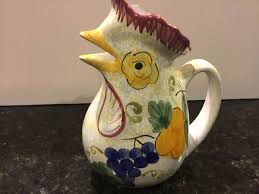
Collectible pitchers represent a diverse category of functional art, ranging from rustic stoneware to delicate hand-painted porcelain. These vessels serve as both practical kitchenware and stunning display pieces that reflect the aesthetic trends of their respective eras.
Price Range: $50 - $70 based on recent sales
History of Pitcher
The history of collectible pitchers spans centuries, evolving from utilitarian early American stoneware used for water and milk to the highly decorative Victorian Flow Blue and Nippon porcelain of the late 19th century. During the mid-20th century, companies like Hall and Pfaltzgraff popularized the 'ball' pitcher and sturdy ironstone designs, making them staples of the American household. In the 1950s and 60s, imported Italian ceramics, including the iconic rooster and strawberry motifs, brought a splash of European color to kitchens worldwide. Today, these items are prized for their nostalgic appeal and the craftsmanship of defunct potteries.
Value Factors for Pitcher
The typical price range for Pitcher is $50 - $70 based on recent sales. However, values can vary depending on the item's condition, rarity, and other factors such as:
- Manufacturer reputation and the presence of authentic backstamps.
- The complexity of the decorative technique, such as hand-painting versus transferware.
- Rarity of the pattern or colorway, particularly in mid-century modern designs.
- Overall physical condition, including the absence of 'crazing' in the glaze.
Tips for Buying Pitcher
- Inspect the spout and handle joints carefully for hairline cracks or professional repairs that can decrease value.
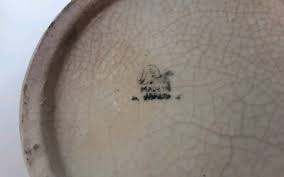
- Check the bottom for maker's marks or backstamps, such as the Nippon or Hall logos, to verify the production period.
- Look for consistent glazing and vibrant colors, especially in hand-painted Italian ceramics or Flow Blue patterns.
- Verify the capacity and size, as certain 'ball' or 'fridge' styles were produced in multiple scales for different uses.
Items in This Collection
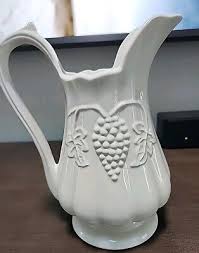
- Homer Laughlin Ironstone Pitcher
- Red Cliff Ironstone Pitcher
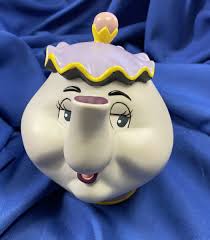
- Mrs. Potts Teapot
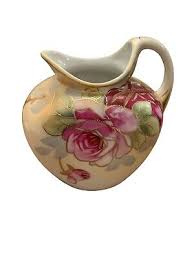
- Nippon Hand Painted Pitcher
- Hall Ball Pitcher
- Italian Rooster Pitcher
- Strawberry Pitcher
- Earthenware Pitcher
- Italian Ceramic Pitcher
- Flow Blue Pitcher
- Pfaltzgraff Pitcher
- Ironstone Pitcher
- Yellowware Pitcher
- Copper Lusterware Pitcher
- Vollrath Stainless Steel Pitcher
- Delft Blue Pitcher
- Silver Plated Water Pitcher
- Vintage Enamelware Pitcher
- Silver Plate Water Pitcher
- White Ironstone Pitcher
Have an antique to identify?
Get an instant AI appraisal with values, history, and market insights.
Download for iPhone